
Playing your first tennis match is a milestone — exciting, a bit nerve‑wracking, and entirely manageable with the right preparation. This guide walks you through practical steps to arrive ready, confident, and focused so you can play your best tennis from the first serve.
Follow these essentials: pick appropriate gear, structure a warm‑up, tune your movement and serve routines, and plan hydration and recovery. The tips below are simple, actionable, and designed for players preparing for a recreational or club match.
Choose the right beginner equipment
For your first match, use gear that helps you feel comfortable rather than flashy high‑performance items that require adaptation. If you’re new to the sport, a Beginner Tennis Sets (or a basic adult starter kit) typically include a racquet with an appropriate grip, a few balls and minimal accessories — everything you need to focus on fundamentals rather than setup.
What to pack in your match bag
Pack with redundancy in mind: a spare grip or overgrip, at least two racquets (strung the same way), extra strings or a string kit if possible, sunscreen, and a small first‑aid item like blister plasters. Use a reliable tennis bag so you can carry and organize these items easily — a roomy tennis backpack makes transitions between warm‑up and match simple: BAGSMART Tennis Gym Bag.
Hydration and match‑day nutrition
Start your day hydrated and maintain steady fluid intake during play. Sip small amounts frequently rather than gulping large volumes at once. Carry a durable water bottle so you can access fluids between changeovers without fuss — a tennis‑specific insulated bottle helps keep drinks cool through a long day: Tennis Insulated Stainless Steel Water Bottle. For food, eat a light carbohydrate‑rich snack 60–90 minutes before play (banana, toast, or an energy bar) and easy to digest options during long matches.
Pre‑match warm‑up routine
A compact, reproducible warm‑up primes your muscles and gets you into match rhythm. Start with 5–7 minutes of light cardio to raise heart rate, then dynamic mobility and stroke‑specific drills. Simple equipment can speed progression: 2–3 minutes of jump rope work wakes up the calves and coordination — consider a quality speed rope to improve tempo and timing: Jump Ropes for Tennis Conditioning.
Footwork and movement practice
Footwork dictates how effectively you reach and position for every shot. Before your match, run short directional drills that replicate in‑match movements: split‑step practice, lateral shuffles, and short sprint‑back recovery. Invest time into speed and agility drills off court to develop quick first steps and recovery patterns — structured tools and cones can make practice more efficient: Speed and Agility Training Gear.
Activation and injury prevention
Activate the muscles you rely on most: glutes, hips, core and shoulders. Short band routines are perfect for pre‑match activation and maintaining shoulder health. Spend 5–10 minutes on light resistance band work for lateral walks, shoulder external rotations, and miniband hip bridges to boost stability without inducing fatigue: Resistance Bands for Tennis Training.
Match play habits and on‑court routines
Set a simple on‑court routine so your first match doesn’t feel chaotic. Examples: enter the court with a short breathing reset, practice two first serves, take a measured warm‑up rally focusing on depth and footwork, then start the match with a service routine you’ve rehearsed. Keep a towel handy for breaks to manage sweat and maintain grip during long games: Tennis Towels. Small rituals like this reduce decision overload and keep your attention on match execution.
Recovery and post‑match care
After your match, focus on active recovery: 5–10 minutes of light jogging or walking, followed by gentle mobility and foam rolling to flush lactic acid and reduce stiffness. A short foam‑rolling routine that targets calves, quads, hamstrings and the IT band can speed recovery and reduce soreness: Foam Rollers for Tennis Players. Hydrate and refuel with protein and carbs within 60 minutes if you played intensely.
Checklist before you leave for the court
- Racquet(s) strung and gripped; extra overgrip.
- Appropriate shoes and a packed extra pair of socks.
- Water bottle filled and a small snack.
- Packed bag with sunscreen, towel, tape/blister plasters.
- Warm‑up plan and short activation set (including a quick band routine).
- Mental checklist: breathe, reset between points, stick to one process at a time.
FAQ
Q: How early should I arrive for my first match?
A: Aim to arrive 45–60 minutes early. Use the first 20–30 minutes for gear check and progressive warm‑up, then 10–15 minutes for on‑court rallying and serves.
Q: What should I do if I’m nervous before my match?
A: Use a short breathing routine (4–4 counts), rehearse your serve motion a few times, and focus on simple tactical goals (e.g., get first serve in, take the ball early). Routine replaces anxiety with structure.
Q: Do I need to warm up differently for singles vs doubles?
A: The core elements are the same: cardio, mobility, activation and sport‑specific drills. For doubles, add net reaction and volley practice; for singles, emphasize lateral movement and baseline consistency.
Q: How many serves should I warm up with before starting?
A: Use your on‑court warm‑up to hit 10–15 serves, focusing on rhythm and placement rather than power. Finish with two reliable first serves and one practiced second‑serve pattern.
Q: Is stretching important before a match?
A: Prioritize dynamic mobility before play (leg swings, hip circles, band activation). Save long static stretches for after the match or during cool‑down.
Q: What’s the best way to manage minor aches during a match?
A: Shorten point length by playing more aggressively to control rallies, use ice after the match for acute irritation, and include pre‑match activation to reduce recurrence. If pain persists, consult a professional.
Conclusion
Preparing for your first tennis match isn’t about perfection — it’s about reliable routines. Pack the right starter gear, follow a concise warm‑up and activation sequence, plan nutrition and hydration, and use simple on‑court rituals to manage nerves. These steps make your first match a positive learning experience and set a foundation for improvement.
Products Featured in This Article
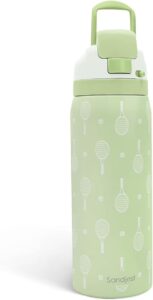
Tennis Insulated Stainless Steel Wa…
Product description Color disclaimer: product color may appear slightly different on screens due to lighting; quality…

BAGSMART Tennis Gym Bag for Women, …
From the brand Gym bags Summer travel essentials Duffle bags Tote bags Electronic bags Toiletry bags…
