
Best Tennis Tips for Junior Players and Parents
Starting tennis as a junior is exciting but can feel overwhelming for both players and parents. The right combination of skill-building, physical preparation, and supportive routines makes the difference between fast burnout and steady progress.
This guide gives practical, trustworthy advice you can use immediately: equipment choices, practice structure, conditioning, recovery, and parental roles to create a healthy, high-growth environment for junior tennis players.
1. Gear essentials: what juniors actually need
Good gear improves comfort and confidence. For beginners, a purpose-built junior kit simplifies choices and ensures racket size, balls and basic accessories are appropriate. Consider a starter kit like Beginner Tennis Sets to avoid mismatched racquets and balls.
Also choose a durable water bottle sized for young players to keep hydration straightforward: a well-insulated bottle like the Tennis Insulated Stainless Steel Water Bottle is easy to carry and prevents spills between points.
2. Efficient court routines and ball management
Save practice time by organizing the court. A ball pickup tube or hopper makes drills repeatable and allows coaches/parents to focus on observation and feedback rather than chasing balls. For quick cleanup and to keep more balls available during drills, consider a simple tool like the Gamma Sports Tennis Ball Tube Pickup.
Set a consistent pre-practice routine: warm-up jog, dynamic mobility, and 5–10 minutes of ball feeding to focus attention. That structure maximizes on-court repetitions and reduces downtime.
3. Designing short, focused practice sessions
Junior attention spans vary—keep sessions short and goal-oriented. A practical weekly structure might be: two technical sessions (30–50 minutes), one match-play practice (45–60 minutes), and one conditioning slot. Within a session, break time into blocks: warm-up (10 min), drill work (15–25 min), situational points (10–20 min), and cooldown (5–10 min).
Use clear objectives for each block (e.g., “serve placement” or “transition to net”) and measure progress by reps or success rate, not just duration. Parents can help by timing drills and recording simple stats (first-serve percentage, unforced errors) to track improvement week to week.
4. Conditioning that fits tennis and growing bodies
Tennis requires speed, agility and short bursts of power. Basic, low-impact conditioning keeps juniors resilient without overloading joints. Simple equipment that helps build these athletic traits includes jump ropes for coordination and quick feet—try a tool like the Jump Rope for short interval sessions.
Agility ladders are excellent for footwork patterns, reaction time and change-of-direction. A compact set such as the X-UMEUS Agility Ladder supports progressive footwork drills that translate directly to court movements.
5. Balance, core and mobility work
Balance and a strong core stabilize strokes and reduce risk of injury. Use age-appropriate tools: a wobble board for proprioception and single-leg drills can be both fun and effective. A stable option is the Amazon Basics Wood Wobble Balance Trainer Board for short daily routines.
Complement balance work with targeted core training—planks, dead bugs and rotational medicine-ball tosses. For guided equipment choices, explore dedicated Core Training Equipment to match age and ability.
6. Recovery, routine maintenance and injury prevention
Young bodies recover faster but also need guidance to avoid overuse. Incorporate cooldown mobility, foam rolling and light stretching after sessions. A practical, travel-friendly foam roller like the Amazon Basics High-Density Foam Roller helps release tight calves, quads and lats after practice.
Monitor training load: track hours on-court, intensity of sessions, and any persistent aches. If pain lasts more than a few days, reduce load and consult a qualified clinician. Prevention—balanced strength, scheduled rest days, and technique focus—beats reactive treatment.
Checklist for weekly planning
- 3–4 on-court sessions: mix technical, tactical and match-play
- 2 short conditioning slots: jump rope and ladder drills (10–20 min)
- Daily 5–10 minute balance/core routine (wobble board + planks)
- Cooldown and foam rolling after each session
- Hydration and nutrition plan: bottle on court and quick snacks
- Parent/coach log: record practice goals and 1 measurable outcome
FAQ
- How many hours per week should a junior practice?
Start with 3–6 hours depending on age and school commitments. Emphasize quality over quantity, gradually increasing volume while watching for fatigue.
- What age should kids start strength training?
Light, bodyweight strength and movement quality can start early (8–10 years). Introduce resistance slowly and focus on technique rather than heavy loads.
- How important is match play?
Very—match play develops decision-making and pressure handling. Balance practice drills with situational points and occasional matches weekly.
- What should parents do during practice?
Support routines: ensure hydration, encourage consistent warm-ups, help manage balls and time, and keep feedback positive—leave technical coaching to qualified coaches when possible.
- When should we see a clinician for pain?
If pain alters movement, persists beyond a few days despite rest, or limits daily activities, arrange professional assessment rather than assuming it will resolve.
Conclusion: single practical takeaway
Focus on structured, short practices that combine technical drilling, intentional match-play, and age-appropriate physical conditioning. Use smart, simple equipment—starter kits, a water bottle, ball pickup tools, jump rope, agility ladder, a wobble board and a foam roller—to make each session efficient and safe. Track load, prioritize recovery, and keep expectations realistic: steady progress beats rapid escalation.
Top Tennis Associations & Junior Resources
- International Tennis Federation (ITF) – Play & Stay: ITF Tennis Play and Stay Programme
- United States Tennis Association (USTA) Juniors: United States Tennis Association (USTA)
Products Featured in This Article
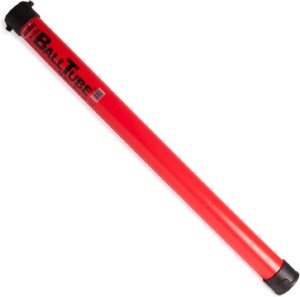
Gamma Sports Tennis Ball Tube Picku…
From the brand Meet You on the Court. We’re here to inspire a world where every…
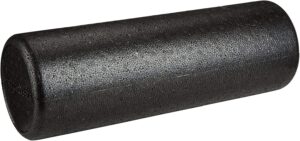
Amazon Basics High-Density Foam Rol…
Amazon Basics High-Density Round Foam Roller for Exercise and Recovery – 18-Inch, Black High-density foam roller…
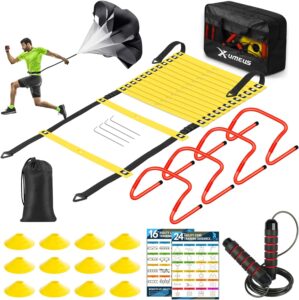
X-UMEUS Agility Ladder Speed Traini…
Agility Ladder Speed Training Equipment Set for anyone looking to increase their Agility, Speed, Balance, Explosiveness,…

Amazon Basics Wood Wobble Balance T…
Amazon Basics Wood Wobble Exercise Balance Board Black balance board can help improve core strength, coordination,…
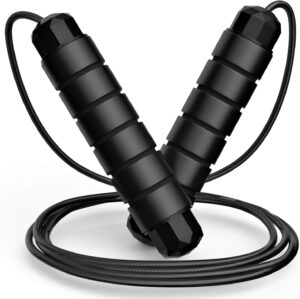
Jump Rope, Tangle-Free Rapid Speed …
Product description The video showcases the product in use.The video guides you through product setup.The video…
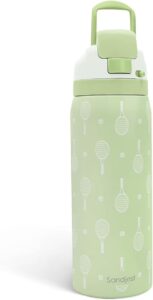
Tennis Insulated Stainless Steel Wa…
Product description Color disclaimer: product color may appear slightly different on screens due to lighting; quality…
