
clay tennis shoes demand a different set of features than hard‑court or grass shoes — you want predictable traction on loose surface, controlled sliding, durable uppers for toe‑dragging, and a sole pattern that clears clay. This guide explains exactly what to look for before you buy, breaks down the best models from trusted brands, compares the top clay shoes available, and gives practical tips on fit, sizing, maintenance and lifespan so you make a smart purchase for your game.
Affiliate disclosure: Some of the products discussed below are linked to affiliate partners; Tennis Integrity may earn a commission if you buy through those links at no extra cost to you. We only feature products we believe are relevant to players looking for reliable clay‑court footwear.
Quick summary — who should read this
This article is for players who play regularly on clay (red clay, Har‑Tru, or similar loose surfaces), coaches choosing footwear for squads, and club players who want to avoid buying the wrong shoe. If you slide into balls, play long baseline rallies, or want shoes that are durable against toe‑dragging and clay build‑up, the practical guidance and model comparisons here will help you choose the right pair.
What makes clay tennis shoes different?
Clay court shoes are optimized for a loose, granular surface. Key differences vs hard‑court shoes include:
- Herringbone or full‑depth tread that channels loose clay away and provides predictable lateral grip.
- Outsoles that are slightly softer to bite into the surface and enable controlled sliding.
- Upper durability and reinforced toes to withstand frequent toe‑dragging and shuffling.
- Often a lower profile and stabilizing midfoot support for lateral confinement during slides.
Core features to inspect before buying clay tennis shoes
1. Outsole tread pattern and compound
Herringbone is the classic pattern for clay because its chevron channels eject clay and maintain consistent grip. Look for deep herringbone grooves (2–3 mm) and a rubber compound rated for clay — slightly softer compounds are common because they “bite” the loose surface better. Avoid wide, flat lugs designed for hard courts; they will clog and feel slick.
2. Slide control and heel-to-toe stability
Controlled sliding is a hallmark of clay. Shoes with stable midfoot support (TPU shanks, stability chassis, or EndoFit systems) help you slide without over‑rotating. Look for secure heel counters and good lockdown systems (lace cages, midfoot straps, or internal sleeves) to keep your foot stable during slides and quick changes of direction.
3. Upper durability (toe and medial reinforcement)
Clay players often drag their toes on serves and in recovery steps. Reinforced toe caps, rubber toe wraps, and abrasion resistant materials (synthetic leathers, TPU overlays) prolong the life of the shoe. A forgiving yet structured upper is ideal: not too stiff for foot comfort, but with enough protection where wear occurs.
4. Cushioning and court feel
Clay courts are slower and rallies can be lengthy. Cushioning choices range from responsive foams that give a lively feel to thicker, softer cushions for comfort. Many clay shoes use dual‑density midsoles (firmer underfoot stability, softer for impact zones) to balance responsiveness with comfort.
5. Fit and width considerations
Fit matters more on clay because slides require a balance of lockdown and freedom. If you have narrow feet, choose models with a snug last or internal sleeve. Wide‑footed players should look for roomier lasts or shoes offered in wide sizes. Consider trying shoes with the socks you typically wear.
6. Weight and breathability
Lighter shoes aid quick recovery and speed but sometimes trade off durability. Look for breathable mesh in combination with abrasion panels — that’s a common compromise in modern clay shoes.
7. Replaceable or serviceable parts
Some high‑end shoes have replaceable insoles or removable sockliners. While soles aren’t usually replaceable, checking how the toe and forefoot are constructed will give a sense of how repairable or long‑lasting the shoe will be.
Materials & maintenance: how to keep clay shoes performing
- After play, knock excess clay off the soles with a soft brush (or a firm brush for dried clumps) and wipe the upper with a damp cloth.
- Allow shoes to air dry at room temperature. Avoid direct heat (radiators or dryers) which can warp midsoles and glue lines.
- Use a sole brush to clean herringbone grooves — build up reduces traction quickly on clay.
- Rotate between two pairs if you play frequently to lengthen lifespan and allow midsoles to decompress.
- Inspect toe caps and lateral overlays; small tears can be patched with shoe glue to delay replacement.
Durability expectations
Longevity depends on usage: recreational players who play once a week may get 6–12 months; competitive players or coaches on court daily expect 2–4 months of intense use before noticeable wear on soles and uppers. Toe wear and outsole thinning usually determine replacement time. Choosing shoes with reinforced uppers and durable rubber compounds extends life.
Which brands are known for clay models (and which pro players are associated with them)?
Several main brands design clay‑specific shoes and maintain pro relationships:
- Asics — known for stability and cushioning; historically associated with players who value stability and comfort.
- Wilson — makes clay versions of its Rush line focused on court feel and lateral control.
- Diadora — an Italian brand offering lightweight, value clay options and classic styling.
- Nike, Adidas, Babolat, New Balance — all produce clay‑specific models or clay variants of their top tennis shoes.
Pro note: sponsorships change seasonally. Rafael Nadal has long been associated with Nike for footwear and clothing; some players (past and present) have long partnerships with brands like Asics or Babolat for shoes. Check up‑to‑date pro sponsorships if player/brand matchups matter to you — designers often use player feedback to refine clay models.
Quick comparison table — how the featured clay models stack up
| Model | Best for | Key strength | Typical price range |
|---|---|---|---|
| Wilson Rush Tour 5 Clay | Aggressive baseline players | Stability + slide control | High |
| Wilson Rush Pro 5 Clay | All‑court competitors | Balanced cushioning & control | Mid‑High |
| Wilson Rush Lite 5 Clay | Players wanting lightweight comfort | Breathable, forgiving fit | Mid |
| ASICS GEL‑DEDICATE 9 Clay | Budget conscious players | Value, reliable stability | Budget |
| ASICS GEL‑RESOLUTION X Clay | Baseline defenders | Excellent stability and support | Mid‑High |
| ASICS GEL‑DEDICATE 9 (Men) | Recreational players | Comfortable, streamlined | Budget |
| ASICS Solution Speed FF 4 Clay | Speed/agility players | Low weight & responsive plate | High |
| Diadora Finale Clay | Budget/club players | Affordable, solid basics | Low |
Detailed reviews of clay court models (who each is for, strengths, drawbacks)
Wilson Mens Rush Tour 5 Clay
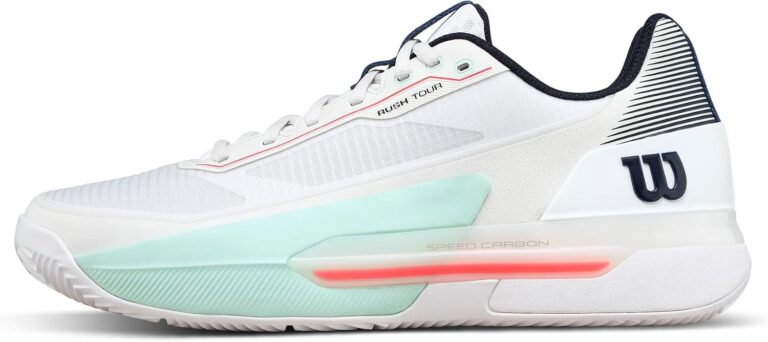
Wilson Mens Rush Tour 5 Clay Men…
Fit: Designed for aggressive clay court play, it is built around the classic Rush last to give you the proven, player-favorite fit. Our signature EndoFit Midfoot Support delivers superior lateral stability for complete command of sliding surfaces. Feel:…
Who it’s best for: Competitive clay players who play an aggressive baseline game and want maximum lateral support and slide control.
- Key strengths: Designed on Wilson’s Rush last for a secure fit; EndoFit midfoot support and TPU stability chassis for predictable lateral control during slides.
- Drawbacks: On the heavier side compared to minimalist models; may feel firm for players seeking plush cushioning.
- Type of player: Club competitors and advanced players who prioritize lockdown and stability over minimal weight.
Pros:
- Excellent lateral stability
- Durable upper and reinforced toe
- Specifically tuned for clay traction
Cons:
- Heavier than some speed‑oriented shoes
- Break‑in may feel stiff for some
Wilson Mens Rush Pro 5 Clay
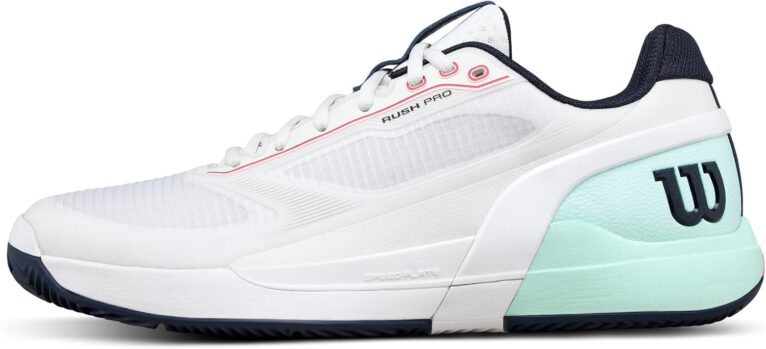
Wilson Mens Rush Pro 5 Clay MenR…
Fit: Drop into instant locked-in fit of EndoFit Midfoot Support and a TPU Stability Chassis, the duo forming a stabilizing duo that anchors lateral control as pace escalates. Feel: Dual midsole compounds provide optimal rebound and cushioning, from…
Who it’s best for: Players who want a balanced shoe for both aggressive baseline rallies and all‑court movement.
- Key strengths: EndoFit locking system plus a TPU chassis give a locked‑in feel with enough cushioning for longer matches.
- Drawbacks: Slightly narrower last — not ideal for very wide feet without trying for size adjustments.
- Type of player: Competitive players who need a versatile shoe with strong court feel and responsive cushioning.
Pros:
- Great lockdown
- Balanced cushion and responsiveness
Cons:
- Narrower fit for some
Wilson Mens Rush Lite 5 Clay
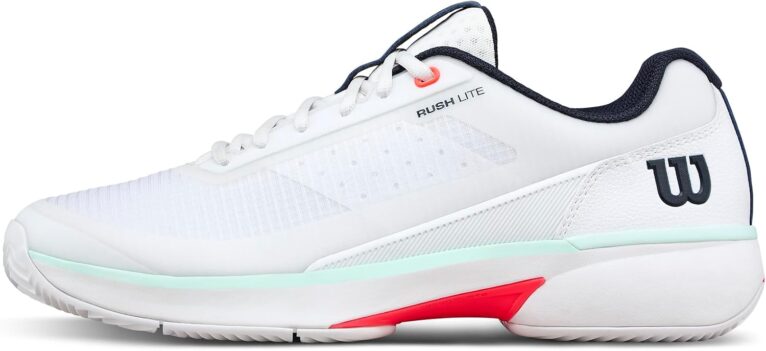
Wilson Mens Rush Lite 5 Clay Men…
Fit: A forgiving fit with EndoFit Midfoot Support and a single-layer engineered mesh upper provides enduring breathability and forgiving flexible fit for a range of foot shapes. Feel: A thick supercompressed sockliner delivers lasting underfoot cushioning, while the…
Who it’s best for: Players looking for a forgiving, comfortable shoe for frequent club play or training sessions.
- Key strengths: Lightweight engineered mesh upper, forgiving fit, and a supercompressed sockliner for comfort.
- Drawbacks: Less aggressive stability hardware than the Tour or Pro versions; not the first choice for heavy slide specialists.
- Type of player: Recreational to intermediate players who prefer comfort and breathability over maximal performance hardware.
Pros:
- Comfortable, breathable upper
- Lightweight and more affordable
Cons:
- Less reinforced for extensive toe drag
ASICS Women’s GEL‑DEDICATE 9 Clay
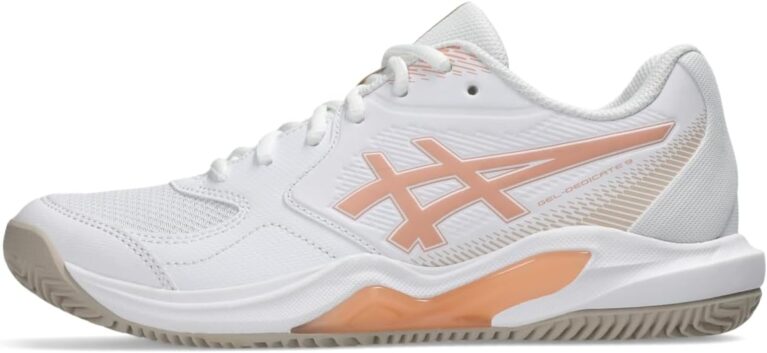
ASICS Women’s Gel-Dedicate 9 …
Introducing the GEL-DEDICATE 9 CLAY shoe that features a streamlined design for modern versatility. While the look is simplified, it retains the stability DNA of our hero models with TRUSSTIC technology and introduces enhanced comfort for a better…
Who it’s best for: Female players on a budget who still want a clay‑specific outsole and reliable basic support.
- Key strengths: Streamlined, stable fit with TRUSSTIC tech for midfoot support and a dedicated clay outsole pattern.
- Drawbacks: Simpler cushioning compared with higher‑end ASICS models.
- Type of player: Recreational players, coaches teaching clinics, or anyone seeking good value.
Pros:
- Great value-for-money
- Clay‑tuned outsole
Cons:
- Less plush cushioning for long tournaments
ASICS Women’s GEL‑RESOLUTION X Clay
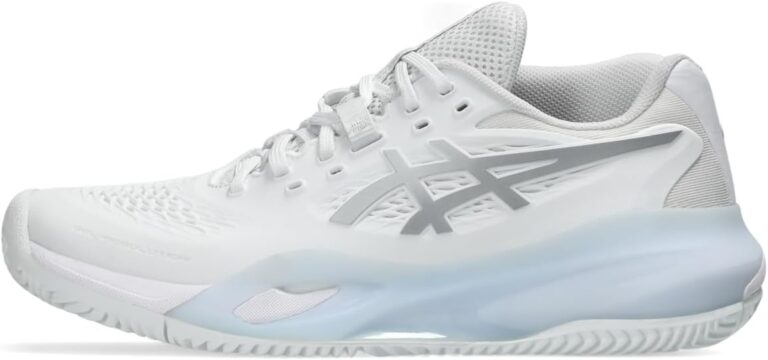
ASICS Women’s Gel-Resolution …
The GEL-RESOLUTION CLAY offers excellent stability and support without compromising comfort. Compared to its predecessor, it ensures smoother transitions by reducing the time needed to stop and start. Designed to help you defend the baseline with confidence, it…
Who it’s best for: Female baseline defenders and players who need top‑tier stability during heavy lateral play.
- Key strengths: Engineered for support and smooth transitions, updated from previous Gel‑Resolution versions with responsive cushioning and solid midfoot structure.
- Drawbacks: Slightly heavier; price is higher than entry models.
- Type of player: Competitive club and regional tournament players prioritizing stability.
Pros:
- Excellent support and structure
- Durable, protective upper
Cons:
- Heavier and costlier
ASICS Men’s GEL‑DEDICATE 9 Clay
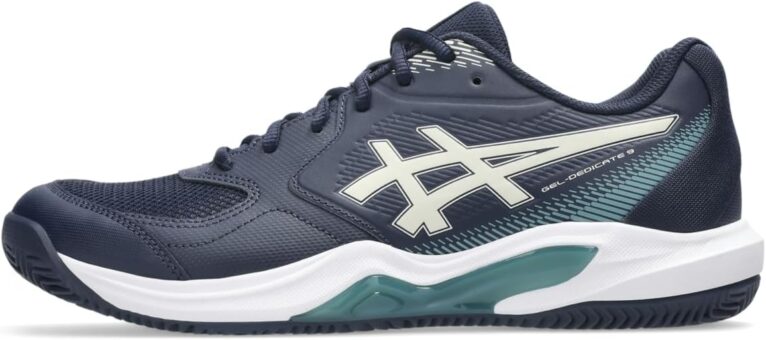
ASICS Men’s Gel-Dedicate 9 Cl…
Introducing the GEL-DEDICATE 9 CLAY shoe that features a streamlined design for modern versatility. While the look is simplified, it retains the stability DNA of our hero models with TRUSSTIC technology and introduces enhanced comfort for a better…
Who it’s best for: Men seeking a streamlined, comfortable clay option at an affordable price.
- Key strengths: Reliable TRUSSTIC midfoot support, simplified design, suitable for doubles/social play and club drills.
- Drawbacks: Not as feature‑rich as Solution Speed or GEL‑Resolution lines.
- Type of player: Recreational players and beginners prioritizing cost and a clay‑appropriate outsole.
Pros:
- Affordably priced
- Good basic stability
Cons:
- Fewer advanced performance features
ASICS Men’s Solution Speed FF 4 Clay
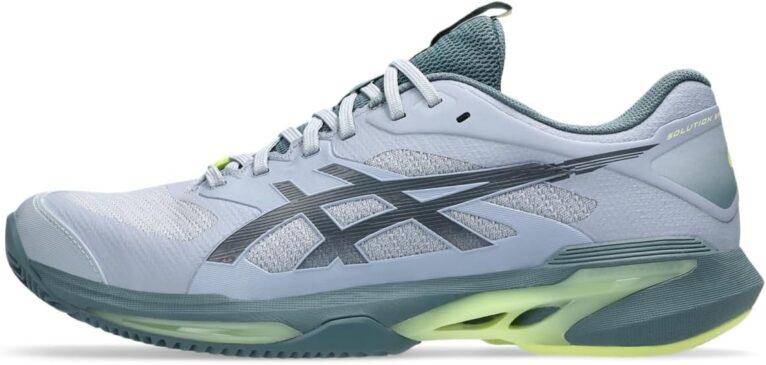
ASICS Men’s Solution Speed FF…
The ASICS Solution Speed FF 4 CLAY shoe is built for players who rely on speed, agility, and quick transitions. Designed to support fast, dynamic movement, it helps you stay light on your feet and ready for every…
Who it’s best for: Players who depend on quick first steps, explosive direction changes and a very responsive ride.
- Key strengths: FlyteFoam and a carbon‑style plate create a snappy, responsive feel; designed for speed without losing traction on clay.
- Drawbacks: Less cushioning than bulkier stability models and may feel narrow for wider feet.
- Type of player: Pinpoint movers and aggressive servers who want minimal weight and quick returns.
Pros:
- Extremely responsive and lightweight
- Excellent for quick turns and short‑court movement
Cons:
- Stiffer plate may not suit players who prefer plush cushioning
- Narrower last for some feet
Diadora Mens Finale Clay Tennis Sneakers
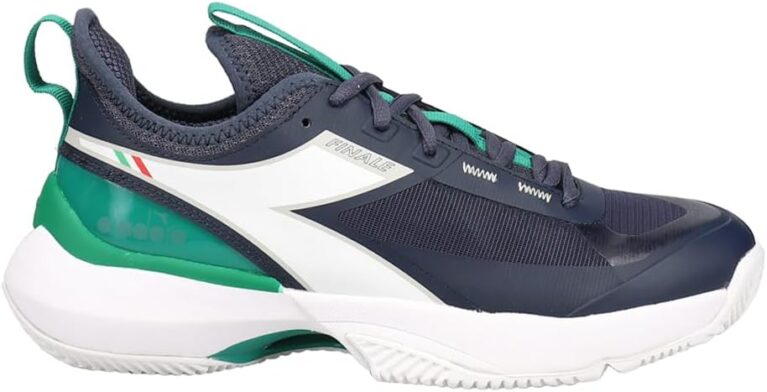
Diadora Mens Finale Clay Tennis Sne…
Product summary shift + opt + D
Who it’s best for: Budget‑minded club players who need a simple, functional clay shoe without brand premium pricing.
- Key strengths: Affordable, decent basic traction, and comfortable cushioning for casual play.
- Drawbacks: Fewer advanced materials and less midfoot hardware than premium models; may wear faster under heavy use.
- Type of player: Beginners, weekend warriors, or players replacing shoes infrequently seeking value.
Pros:
- Very affordable
- Good basic functionality for clay courts
Cons:
- Shorter lifespan under heavy use
How to choose the right clay tennis shoe for your game — practical checklist
Before you click buy, run through this simple checklist:
- Do you slide? If yes, choose a shoe with clay‑specific herringbone tread and stability features.
- Do you toe drag regularly? Look for reinforced toe caps and abrasion overlays.
- Do you prioritize speed? Consider lightweight models like the Solution Speed FF.
- Do you need maximum support for long matches? Prioritize stability models like the Rush Tour or GEL‑Resolution X.
- Are you budget conscious? Compare the GEL‑DEDICATE or Diadora options for value.
- Have you tried the brand’s last before? Sizing can vary — try on in person if possible with the socks you play in.
- Do you rotate shoes? Having two pairs prolongs midsole life and performance on clay.
Sizing tips and break‑in guidelines
Sizing on tennis shoes varies brand to brand. A few practical tips:
- Try shoes later in the day — feet swell after activity.
- Leave about a thumb’s width (1–1.5 cm) from your longest toe to the end of the shoe to avoid black toenails when sliding and running.
- If you are between sizes and prefer a snug lockdown for aggressive movement, size down half a size — but only if your toes are snug without pressure.
- Break‑in gradually: start with practice sessions to let the uppers and midsole soften to your foot shape.
Maintenance checklist to extend life on clay
- After each session, brush the outsole to remove clay; allow shoes to dry fully.
- Use shoe trees or stuff with paper to speed drying and reduce odors.
- Rotate two pairs where possible — one pair to rest, the other to play.
- If the toe area starts to separate or thin, apply a small amount of sports shoe glue to delay replacement.
Final recommendations — pick by player profile
- If you’re an aggressive baseliner who slides often and needs lock‑in: Wilson Rush Tour 5 Clay or Wilson Rush Pro 5 Clay.
- If you want the fastest feel for quick court coverage: ASICS Solution Speed FF 4 Clay.
- If you need supportive, plush comfort for long matches: ASICS GEL‑RESOLUTION X Clay.
- If you are on a budget and play recreationally: ASICS GEL‑DEDICATE 9 or Diadora Finale Clay.
- If you prefer lightweight, breathable comfort for frequent practice: Wilson Rush Lite 5 Clay.
Where to buy and shop smart (links and categories)
Shop clay‑specific categories to filter models quickly. Tennis Integrity carries clay options and related shoes — check our Clay Court Tennis Shoes category for more models and sizes: Clay Court Tennis Shoes. If you’re also looking for court recovery aids after long clay sessions, see our foam rollers and ankle braces.
FAQ — practical answers to common clay shoe questions
Q1: Can I use hard‑court tennis shoes on clay?
A: You can use hard‑court shoes on clay occasionally, but they often have flatter outsoles that pack with clay and offer less controlled slides. Over time, using hard‑court shoes on clay reduces traction and speeds up wear in areas they aren’t reinforced for toe drag. For regular clay play choose a clay‑specific model.
Q2: How often should I replace clay tennis shoes?
A: Replacement depends on frequency and intensity. Recreational players might replace shoes every 6–12 months. Competitive players or coaches who are on court daily could replace shoes every 2–4 months. Look for outsole smoothing, loss of midsole cushioning, and upper tears as replacement signals.
Q3: Are clay soles reversible or interchangeable?
A: No — most tennis shoes do not have interchangeable soles. Some specialized indoor or work shoes have replaceable components, but standard tennis footwear requires replacing the whole shoe once the sole is worn. Protect longevity by rotating your shoes and cleaning them after play.
Q4: How should I clean clay off the outsoles without damaging them?
A: Use a firm nylon or horsehair brush to dislodge dried clay, then wipe with a damp cloth. For stubborn build‑up, use a small brush and lukewarm water — avoid soaking the shoes. Do not use strong solvents or dishwashers; excessive heat will damage adhesives and midsoles.
Q5: Are clay shoes hotter or cooler than hard court shoes?
A: It depends on the model. Breathability is tied to the upper material rather than the sole type. Many clay models include mesh panels for ventilation. If heat is a concern, prioritize breathable mesh uppers when selecting clay shoes.
Q6: Should juniors wear different clay shoes than adults?
A: Juniors should get shoes appropriate to their foot width and activity level. Many adult clay models come in junior sizes or scaled versions. For fast‑growing juniors, balancing durability with cost is key — entry clay models or junior‑specific shoes are sensible choices.
Q7: Can I slide in any clay shoes?
A: Sliding ability depends on outsole pattern, rubber compound, and the shoe’s overall stability. Shoes with herringbone pattern and structured midfoot support are best for controlled slides. Even with the right shoe, learning proper slide technique (body position and controlled momentum) is essential for safe and effective slides.
Useful internal resources and training links
Improve movement and reduce preventable wear on shoes by training technique and conditioning — see our articles and product categories for related gear and training aids: High Tennis Shot — Full Guide, core trainers in our Core Training Equipment, and balance tools in Balance Boards for Tennis.
Final thoughts
Choosing the right pair of clay tennis shoes means balancing traction, stability, durability and comfort. If you slide often and play competitively, invest in a reinforced, stability‑focused model like the Wilson Rush Tour or ASICS GEL‑RESOLUTION X. If you need speed and agility, the ASICS Solution Speed FF line is a standout. For recreational players, models like the GEL‑DEDICATE 9 and Diadora Finale provide solid value. Rotate shoes, maintain them after each session, and always try shoes on with tennis socks to ensure a proper fit.
Official Links of major Tennis associations:
