
Why a diamond tennis bracelet belongs in every lady’s jewelry box
Simple, elegant and endlessly wearable — the diamond tennis bracelet has moved from tennis court lore to a mainstream wardrobe staple. At first glance it’s a strip of matched diamonds in a slim line, but there’s more to the story: it’s a piece of jewelry that balances everyday durability with evening-level sparkle. If you’re shopping for a special gift, a personal treat, or a classic piece that spans decades of style, understanding the tennis bracelet will help you choose wisely.
Affiliate disclosure: Some links in this article are affiliate links. If you make a purchase through those links, Tennis Integrity may earn a commission at no extra cost to you. We only link to products we believe are relevant to our readers.
Quick summary — who this guide is for
- Women who want a timeless, versatile jewelry piece appropriate for both courtside and cocktails.
- Gift buyers looking for an anniversary or milestone present that’s elegant but not ostentatious.
- Players and active women who want a durable design that can stand up to daily wear.
- Anyone who needs clear buying criteria — size, metal, clasp type, diamond quality and budget guidance.
The story behind the name: how “tennis bracelet” became a thing
The term “tennis bracelet” became popular after a now-famous incident in 1987 when professional tennis player Chris Evert paused a match at the U.S. Open to look for a diamond bracelet that had snapped from her wrist. Since then, the name stuck: it describes a flexible, continuous line of diamonds that can move comfortably with the wrist — a style with both elegance and motion. Although the bracelet didn’t originate on the courts, the association with performance, secure clasps and mobility makes the name perfect for a modern, active woman.
What a diamond tennis bracelet actually is — components and common specs
At its heart a diamond tennis bracelet is a strand of identically-cut diamonds, regularly spaced and set into a metal link chain. Here are the important technical pieces to know when comparing options.
- Cut & shape: The most common is round brilliant for maximum sparkle, but princess (square), oval and emerald cuts are also used. Cut quality influences brilliance more than shape.
- Total carat weight (TCW): This tells you the combined carat weight of all diamonds. Common ranges: 0.25–0.75 CTW (delicate), 1.0–2.0 CTW (classic everyday sparkle), 3.0+ CTW (noticeable luxury look).
- Diamond quality (4 Cs): Color (D–Z) and clarity (FL–I3) ratings matter but small melee diamonds are often eye-clean even at mid grades — G–H color and SI1–SI2 clarity are common cost-effective choices.
- Metal: Popular metals are 14K or 18K yellow/white/rose gold and sterling silver or platinum for higher budgets. White gold or platinum is popular because it complements the diamond’s whiteness.
- Setting style: Prong/shared-prong (classic, shows more diamond), bezel (modern, more protection), channel (sleek and secure).
- Clasp safety: Look for a double or safety clasp (box clasp plus safety latch) — especially important for active wearers.
Pros and cons of the diamond tennis bracelet
Think of the tennis bracelet as a practical luxury. Below are the main advantages and trade-offs to consider.
Pros
- Versatile: works with casual, business and formal outfits.
- Timeless style: design has endured decades of fashion changes.
- Comfortable and flexible: designed to move with the wrist.
- Customizable: choose metal, diamond quality and carat total to match budget and taste.
- Resale value: quality pieces retain considerable intrinsic value.
Cons
- Cost: real diamond bracelets can be expensive, especially at higher TCWs and fine metal choices.
- Maintenance: small diamonds and clasps require occasional inspections and cleaning.
- Security and wear concerns: the removable nature means you should opt for a secure clasp and consider insurance for high-value pieces.
Price ranges and what to expect at each budget
Prices vary significantly depending on total carat weight, diamond quality, and metal. These are rough ranges to help you plan.
- Under $500: Sterling silver with simulated diamonds or small natural melee diamonds. Good for trend-focused buyers and as first-time gifts.
- $500–$2,000: 0.5–1.0 CTW in 10K–14K gold, commonly with G–I color and SI clarity diamonds. Great balance of quality and affordability.
- $2,000–$7,000: 1.0–3.0 CTW in 14K–18K gold or platinum, better cut and color grades. Ideal if you want a clear, lasting sparkle without the top-tier price tag.
- $7,000+: High TCW, premium color/clarity, platinum settings — luxury-level pieces that are investment-grade.
How to choose the right tennis bracelet — a practical checklist
Use this checklist when shopping in-store or online. It helps you compare options in a consistent way.
| Question | What to look for |
|---|---|
| Intended use | Daily wear (choose secure clasp and lower profile), special occasions (larger TCW acceptable) |
| Metal preference | White gold/platinum for modern look; yellow/rose gold for warm tone |
| Budget | Set a TCW target first, then tweak color/clarity and metal |
| Clasp and security | Box clasp with safety latch, or double latch systems for active wear |
| Diamond appearance | Ask for in-person view or high-resolution images; check for sparkle (cut matters most) |
| Warranty & return | Prefer sellers with clear return policy and free resizing/repair options |
Five best-selling diamond tennis bracelet styles (with links, pictures, prices and CTA)
The bracelet styles below represent the types buyers most often search for. Prices and availability change, so click through to see current photos and up-to-date pricing. The links below take you to a marketplace where you can compare specific listings, vendors and images.
1) Classic Round Brilliant Diamond Tennis Bracelet — Lightweight / Everyday
Typical price range: $500–$3,000 depending on TCW and metal.
Why buyers choose it: the most versatile look — pairs with everything. Best for anyone who wants discreet daily sparkle.
View current listings & price on Amazon — click to see photos and seller details.
2) High-Carat Statement Tennis Bracelet — 2.0 CTW and up
Typical price range: $3,000–$20,000+
Why buyers choose it: head-turning sparkle for special occasions. Best for milestone gifts or luxury wardrobes.
3) Bezel or Channel-Set Tennis Bracelet — Low-profile & Durable
Typical price range: $750–$6,000
Why buyers choose it: extra protection for stones, modern look. Best for active women who want durability.
4) Lab-Grown Diamond Tennis Bracelet — Eco-conscious & Cost-Effective
Typical price range: 20–40% less than mined equivalents
Why buyers choose it: more carat for the money and a smaller environmental footprint. Best for value-focused shoppers.
5) Mixed-Cut or Alternatives — Princess/Cushion/Colored Accents
Typical price range: $700–$10,000
Why buyers choose it: adds a bespoke touch — think square princess cuts or sapphires mixed in. Best for those who want something unique.
Note: the images and live prices appear on the linked retail pages. Use the product images there to evaluate sparkle, metal tone and clasp design before purchase.
Comparison checklist table — use this to compare the five styles
| Style | Best for | Security | Typical Budget |
|---|---|---|---|
| Classic Round | Daily wear, gifts | Box clasp + safety recommended | $500–$3,000 |
| High-Carat Statement | Formal events, collectors | Heavy-duty clasp & insurance | $3,000–$20,000+ |
| Bezel/Channel | Active lifestyles | Very secure | $750–$6,000 |
| Lab-Grown | Budget-conscious, eco-minded | Comparable to mined diamonds | 20–40% less vs mined |
| Mixed-Cut/Colored | Unique personal style | Depends on setting | $700–$10,000 |
Practical buying advice — how to get the best value and avoid regret
- Decide on total carat weight first: It’s the single biggest driver of price. Pick a target TCW that matches the look you want, then trade off color/clarity and metal.
- Choose cut over color or clarity when on a budget: Sparkle depends mostly on cut. A well-cut diamond of G–H color often looks brighter than a poorly cut higher-color stone.
- Check the clasp in person (or in detailed images): Make sure the clasp looks solid and the seller provides a safety latch. Ask about clasp replacement policy.
- Ask about sizing: Tennis bracelets should fit comfortably with a slight drape; measure wrist circumference and add ~0.25–0.5 inches depending on preference.
- Request certification for high-value pieces: For bracelets with large diamonds or high TCW, ask for independent grading from GIA, IGI or AGS when available.
- Consider wear and insurance: For higher-value bracelets, factor in insurance or jewelry coverage. Keep receipts and appraisals.
- Think about maintenance: Regular checks (annually or every six months for active wearers) to ensure prongs and clasps are in good condition.
How to wear and care for your tennis bracelet (practical tips for active women)
Many women who play tennis or train regularly wonder whether they can wear a tennis bracelet during activity. The answer depends on the bracelet’s construction and your comfort level.
- For active use, choose a low-profile, bezel or channel-set bracelet with a strong safety clasp.
- Consider wearing only for social tennis events; remove for practice sessions if you frequently hit the ball with the wrist area to avoid damage.
- Store in a soft pouch or jewelry box to prevent metal scratching or diamond rubbing with other pieces.
- Clean at home with a mild dish soap solution and a soft brush; for deeper cleaning and inspection, visit a jeweler.
Five Tennis Integrity product cards — accessories for players and gift-givers
While you’re exploring diamond bracelets, players often appreciate a few practical tennis-related items — either as a complement to a jewelry gift or as everyday tools for court life. Below are some actual items available through Tennis Integrity that our readers find useful. Each card links to the product page for detailed specs and current price.
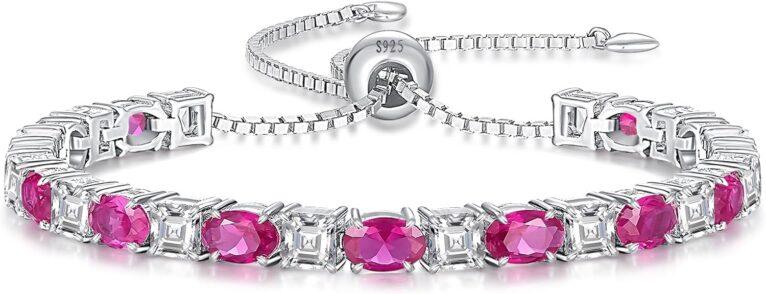
Sterling Silver Birthstone Bracelet…
Product description ETERMBOL Our Brand Vision The birth of ETERMBOL stems from the pursuit of genuine emotions. We are committed to creating high-end luxury jewelry that helps people bring happiness and touches deep emotions with each piece. Embrace…
Who it’s for: anyone who likes the look of a slim silver bracelet or prefers birthstone personalization. Key strength: sentimental value and hypoallergenic options. Possible drawback: sterling silver needs occasional polishing to keep a bright white finish; not the same value retention as fine gold or diamonds.
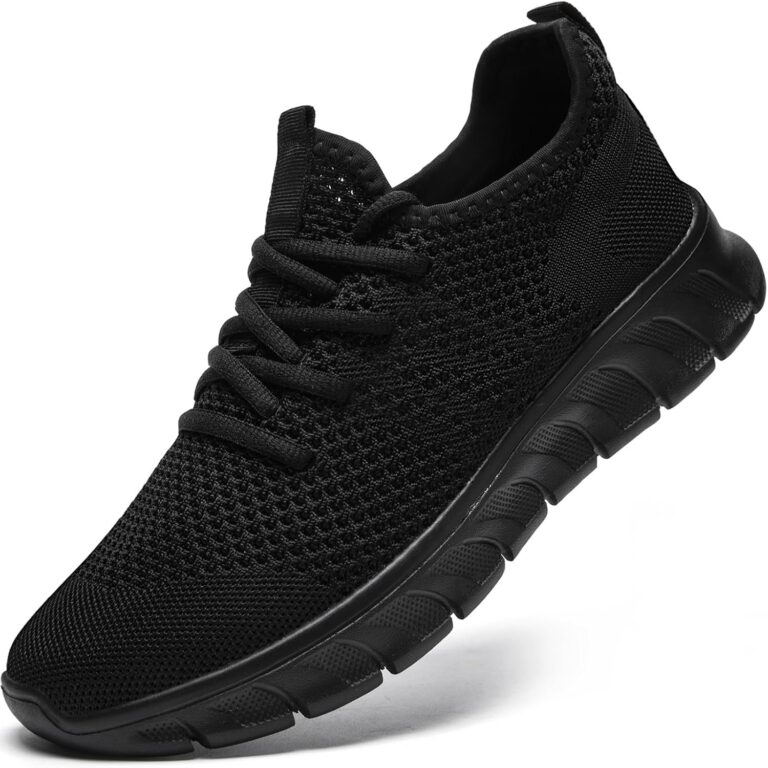
Womens Shoes Running Sneakers Tenni…
From the brand GDEKLO was established in 2018, comfort, convenience and fashion are our business philosophy, we have our own factory and can control the quality from the source, so our shoes are excellent value for money. Our…
Who it’s for: players who need comfortable, budget-friendly court shoes for practice sessions and warm-ups. Key strength: breathable, non-slip midsoles for everyday comfort. Drawback: not a replacement for premium tennis-specific court shoes for heavy clay or hard-court competition.
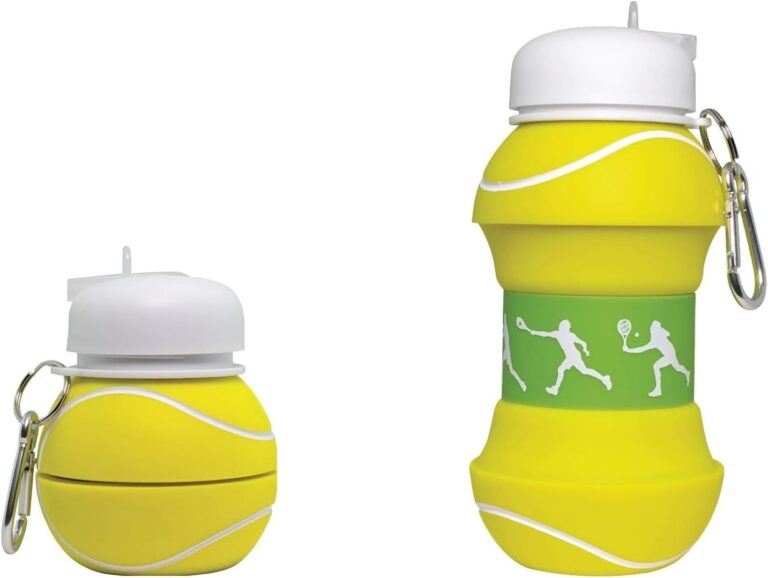
Maccabi Art Clip-On Collapsible BPA…
Product description Food Grade Silicone – Our Tennis Ball-shaped kids water bottle consists of BPA-free silicone that has no harsh chemicalsIncludes a Carrying Clip – The secure clip at the top of the BPA-free water bottle allows you…
Who it’s for: juniors and kids — a fun, tennis-ball-shaped collapsible water bottle that clips to a bag. Strength: convenient hydration on the go. Drawback: novelty design — not jewelry-related, but practical for court days.
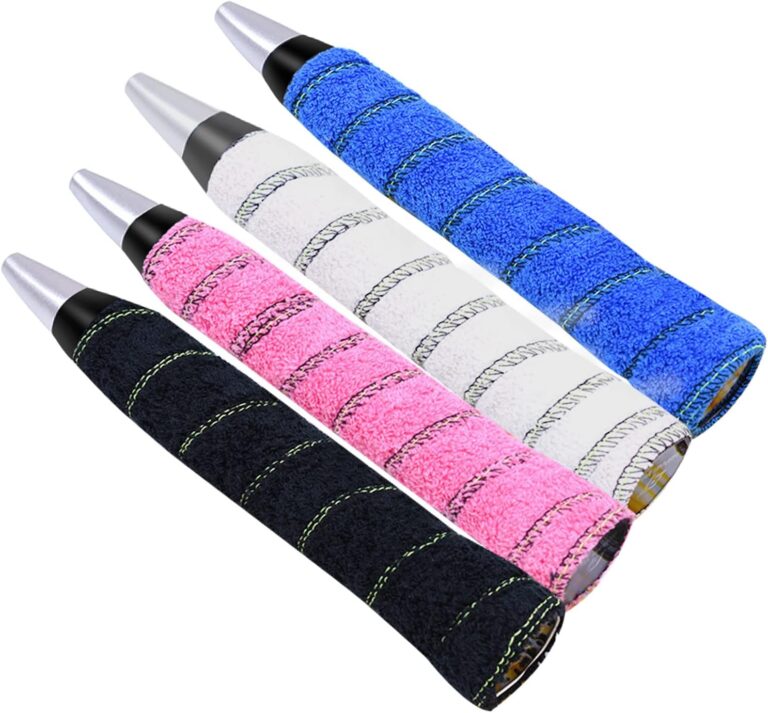
GLL Toweling Racket Overgrip, Super…
Product description 100% Cotton4 PCS, Each piece is Long: 28 inches /70 cm, Width: 1 inch / 25 mm, Thick: 1mm, This overgrip force is not overlapping and winding, itself has adhesive, Very user friendlly.Super powerful water absorption…
Who it’s for: players who sweat — a super-absorbent towel overgrip improves hold and comfort. Strength: simple and inexpensive performance upgrade. Drawback: grips wear over time and need replacement.
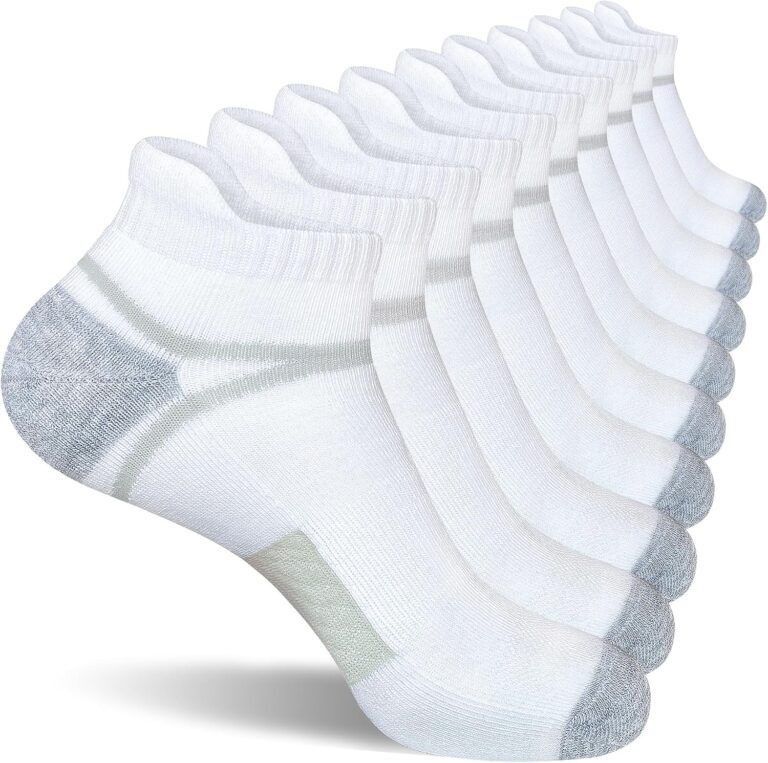
suaskk Men’s Ankle Athletic C…
Suaskk Mens Athletic Socks 5 Pairs feature: Moisture wicking help absorb sweat to keep your feet dry, cushioned sole absorb impact and reduce friction, breathable mesh reduces heat and enhances ventilation, arch support provide enough support and stability.…
Who it’s for: active players and athletes looking for comfortable, moisture-wicking ankle socks. Strength: arch support and blister protection. Drawback: socks need frequent replacement if used daily.
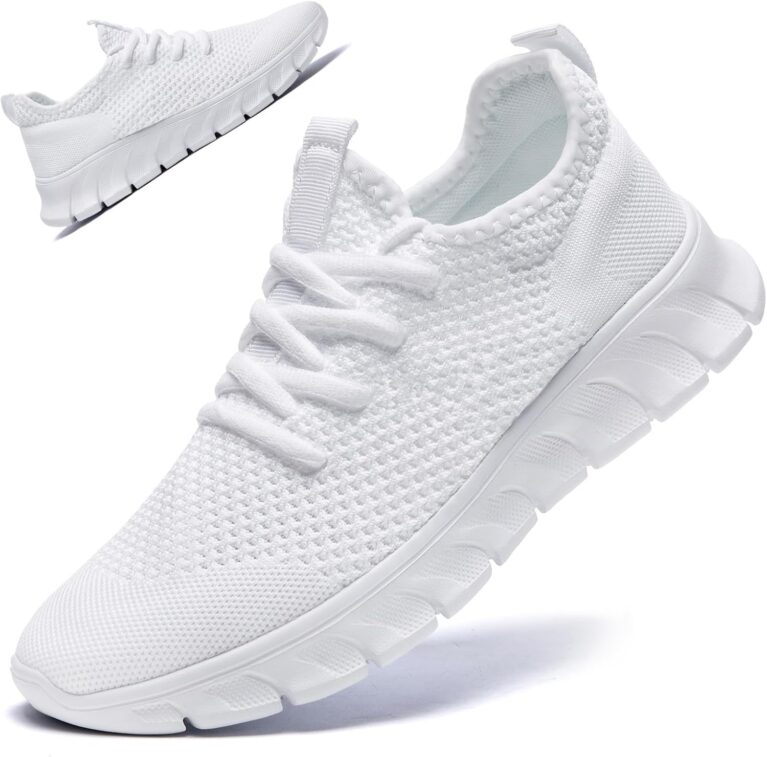
Running Shoes for Men Womens Walkin…
From the brand Womens and mens shoes Department : mens Date First Available : March 25, 2025 ASIN : B0F2GBPVWK Product Warranty: For warranty information about this product, please click here Best…
Who it’s for: casual runners and cross-training players seeking an affordable sneaker option for warm-ups or fitness days. Strength: versatile and lightweight. Drawback: may not have the durability of dedicated high-end tennis shoes for competitive play.
Final recommendations — choosing the right bracelet for your lifestyle
If you want one single diamond bracelet that does everything, aim for:
- 14K white gold, 1.0–2.0 CTW (balanced presence without overstatement), round brilliant cut, shared-prong or channel setting and a box clasp with safety latch.
- If you’re particularly active, choose a channel or bezel set and ensure the bracelet has a reinforced clasp. Consider lab-grown stones to increase carat for the money while keeping cost down.
- For investment or heirloom pieces, lean toward higher color/clarity and request documentation/appraisal.
Before you buy: always view multiple photos (or see the piece in person), confirm return and warranty policies, and factor in potential insurance for higher-value purchases.
FAQ — diamond tennis bracelet (practical questions answered)
1. Can I wear a diamond tennis bracelet while playing tennis or training?
Yes, many women wear tennis bracelets casually during low-impact activities. For competitive practice sessions where the wrist sees impact or racket contact, consider removing it or choosing a low-profile, secure setting (bezel/channel) and strong clasp. Always prioritize safety over style when there’s a risk of losing the bracelet.
2. How should a tennis bracelet fit?
A tennis bracelet should sit snugly but with a small amount of drape. Measure your wrist and add roughly 1/4 to 1/2 inch depending on whether you prefer the bracelet to move freely. Jewelers can resize many bracelets slightly by removing or adding links.
3. Are lab-grown diamonds a good choice?
Lab-grown diamonds offer the same optical properties as mined diamonds at a lower cost, giving more carat weight for the budget. They’re an excellent choice for value-conscious buyers and those concerned about sourcing. Certification and return policies are still important.
4. How do I maintain and clean my tennis bracelet?
At home, soak the bracelet in warm water with a mild dish soap for a few minutes, then gently brush with a soft brush and dry with a lint-free cloth. For regular wearers, a professional inspection and cleaning once a year will keep prongs tight and clasps secure.
5. What clasp should I look for?
A box clasp with a safety latch (or dual safety clasps) is preferred. If you plan to be active in the piece, ask the jeweler about reinforced clasps and options for clasp upgrades.
6. Can a tennis bracelet be resized?
Yes, many tennis bracelets can be resized by adding or removing links, but the process depends on the setting style and the jeweler’s skill. Always ask about resizing costs and how resizing may affect the bracelet’s symmetry.
7. How do I decide between gold and platinum?
Gold (14K or 18K) is warm and versatile and usually costs less than platinum. Platinum is denser and hypoallergenic and retains its weight and finish, but often at a higher price. Choose based on budget, skin tone preference and durability expectations.
Closing thoughts — a practical classic
The diamond tennis bracelet is a uniquely useful piece of jewelry: elegant enough for special occasions, understated enough for everyday wear, and adaptable across budgets and lifestyles. Whether you want a subtle 0.5 CTW bracelet for daily sparkle, a lab-grown 2 CTW piece for value, or a luxury 5 CTW statement, the key is to prioritize the elements that matter most to you: carat, cut, metal and clasp security.
Ready to browse current selections? Start with the links above to compare real listings, photos and up-to-date prices. If you’re a tennis player shopping for court-friendly accessories, check our footwear and performance gear categories as well — for example, our pages on core training equipment and hard court tennis shoes can help round out a practical gift or upgrade for the active woman in your life.
If you’d like help narrowing choices based on a budget or preferred metal, tell us your price target and style preference and we’ll suggest the best fit for your needs.
