
How to Build Confidence as a Beginner Tennis Player
Confidence on the tennis court doesn’t come from flashes of inspiration — it comes from steady progress, clear habits, and the right focus. For beginners, small, repeatable wins are the fastest path to feeling confident while playing and practicing.
This guide lays out practical steps you can use this week and every week after. It covers realistic goals, routine-building, movement, reaction, strength, practice tools, recovery, and a simple checklist you can follow court-side.
Start with realistic goals
Confidence starts with clear, achievable goals. Break your learning into short-term targets (consistent rally of 10 balls, serving two in the service box) and medium-term skills (basic slice, reliable forehand). Track progress in small increments so you can measure improvement and celebrate wins.
Get the right beginner gear
Begin with equipment that matches your level: a forgiving racket, a few extra balls, and a practice partner. If you need a complete starter set, check out Beginner tennis sets designed for new players to build confidence through proper tools rather than improvised ones.
Build a simple, consistent practice routine
Consistency beats intensity for beginners. Design a weekly plan with 2–4 short sessions (45–60 minutes) that mix technical work, movement, and fun points. Keep a warm-up, a focused drill block, and a cool-down — this structure reduces anxiety and makes success predictable.
Improve footwork and court movement
Footwork underpins every shot and improves your ability to get into position, which directly boosts confidence. Practice ladders, cone drills, and side-to-side shuffles. Consider adding purpose-built speed and agility gear to make those exercises more structured and measurable.
Enhance reaction and timing
Beginners often feel lost because the ball arrives faster than their response. Reduce that gap by training reaction speed with progressive drills: short-ball exchanges, quick-feed volleys, and unpredictable tosses. Use dedicated reaction trainers in practice to sharpen reflexes and increase certainty when the ball comes at you.
Develop strength, balance and core stability
Confidence grows when your body feels stable and capable. Short strength sessions twice a week will improve stroke consistency and reduce fatigue. Add targeted work for the core, hips, and legs — the foundation of power and balance. Quality core training tools help you practice rotation and control off-court.
Cardio and quickness matter too. Ten to fifteen minutes of focused conditioning — for example, jump ropes — improves foot speed and endurance without long runs that can sap practice time.
Use drills and coaching aids to accelerate learning
Structured drills give immediate feedback and repeatable success. Work on progressive point construction (short court to full court), target-based serves, and return placement. Useful tools like hand-eye coordination tools help beginners become more confident at contact, while simple equipment such as ball hoppers and coaching carts keep practice efficient and focused.
Prioritize recovery and small habit wins
Confidence falters when your body is tight or sore. Short recovery routines — stretching, mobility, and light rolling — keep you available to practice. Invest a few minutes after sessions to reduce soreness; using foam rollers can speed recovery and help you come back better the next day. Good recovery keeps training consistent, and consistency breeds confidence.
Checklist: Weekly Confidence Building
- Set 2–3 clear, measurable goals for the week (technical and physical).
- Practice 2–4 times a week with a warm-up, focused drill block, and cool-down.
- Include 10–15 minutes of footwork/agility work each session.
- Do two short strength/core sessions weekly (10–20 minutes).
- Add one reaction or coordination drill per practice.
- Use foam rolling and mobility for 5–10 minutes after practice.
- Track progress in a simple notebook — record one “win” per session.
FAQ
-
How quickly should I expect to feel more confident?
With consistent practice and measurable goals, many beginners notice small improvements in 2–4 weeks. Confidence grows steadily as reliable habits replace inconsistency.
-
Which practice session is most important for beginners?
The focused drill block is crucial: intentionally practice one technical element (serve, forehand, or footwork) each session rather than trying to fix everything at once.
-
Do I need special equipment to improve?
No — basic gear and a structured plan are enough. The right aids (starter sets, drills, and simple training tools) speed progress and reduce frustration; consider starter options like Beginner tennis sets if you need a full kit.
-
How should I practice if I don’t have a partner?
Use ball hoppers, rebound trainers, and solo drills. Ball hoppers and coaching carts keep you practicing efficiently, and reaction tools or rebound trainers replicate live ball patterns.
-
What’s one habit that most improves confidence?
Logging one small win after each session — a consistent rally length, better footwork, or a cleaner serve — builds a positive feedback loop that compounds confidence.
Conclusion
Confidence for beginners is a product of structure: realistic goals, consistent practice, targeted movement and reaction work, supportive equipment, and reliable recovery. Start small, track progress, and use purpose-built tools and drills to make success repeatable. The practical takeaway: pick one technical goal and one physical habit this week, practice them consistently, and log every win — that simple cycle will build real confidence on court.
Products Featured in This Article
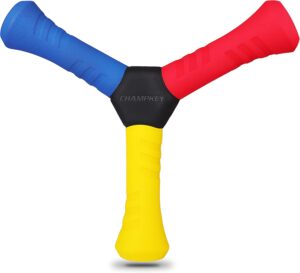
CHAMPKEY Hand Eye Coordination Trai…
Sturdy & Flexible : Made of premium polyurethane foam material features non-toxic , lightweight and waterproof….
