
Introduction
Choosing the right tennis apparel affects comfort, movement and on-court performance more than most players realize. The right pieces reduce distractions, regulate temperature and let you focus on tactics and technique.
This guide covers practical decisions — fit, fabric, layering, pockets and accessories — so you buy less and play better. Each section includes clear, actionable criteria to evaluate clothing before you step on court.
Prioritize fit and freedom of movement
Fit is the top priority. Apparel should follow your movements without tugging, pulling or catching during serves, volleys and quick lateral steps. Look for garments with articulated cuts (slight shaping at shoulders or hips) and enough room in the shoulders and crotch for a full range of motion.
If you use support gear, check compatibility: choose skirts, shorts or tights that sit comfortably over supports to avoid bunching. For players who wear protective supports, consider how clothing layers over items like Knee Braces for Tennis so movement stays unrestricted and seams don’t irritate the skin.
Choose fabrics that manage sweat and temperature
Technical fabrics beat cotton for tennis. Polyester blends, nylon-spandex mixes and mesh panels wick moisture, dry quickly and keep you cool during long rallies. Key fabric features to seek:
- Moisture-wicking finish — pulls sweat away from the skin.
- Quick-dry construction — reduces the weight of soaked clothing between changeovers.
- Breathable panels — mesh in high-sweat zones (back, underarms) for ventilation.
- Stretch content — elastane or spandex for recovery and shape retention.
Keep a dedicated court towel on hand to manage sweat and minimize slippage. A compact, absorbent towel such as the Lacoste Heritage example in the Tennis Towels selection is useful between points and during practice.
Layering, sun protection and on-court comfort
Layering lets you adapt to changing conditions without sacrificing mobility. Use a light base layer for moisture control, a breathable mid-layer for cooler conditions and a wind-resistant layer that packs small for breezy days. For hot, sunny courts prioritize UV-protective fabrics and a brim or cap.
Eye protection is essential for day matches; polarized, sport-specific lenses reduce glare and improve visual clarity on bright days. Consider sport sunglasses built for activity to prevent slippage and peripheral distortion, such as the polarized options listed under Tennis Sunglasses.
Shorts, skirts, pockets and court functionality
Function trumps fashion on court. Evaluate shorts and skirts for movement-friendly features: inner compression shorts, secure waistbands and deep pockets that hold a ball without changing your balance. Pockets should sit flat and be reinforced so balls don’t bounce out when you sprint.
For players who prefer skorts, check the integration between the outer skirt and inner shorts to prevent chafing. Look for flat seams, tested elastic waistbands and gussets that reduce friction during cross-step movements. If you carry small items between sets, pair your apparel with a purpose-built bag for organized storage.
Footwork-focused apparel and training gear
Clothing that moves with you reinforces good footwork habits. Lightweight, low-drag shorts and tops help reduce visual and physical resistance to change of direction. Outside of apparel, use targeted conditioning tools to improve agility and ensure your gear supports those gains. Training equipment like Speed and Agility Training Gear complements apparel choices by helping you replicate match movement patterns in practice while testing apparel for durability and range.
Warm-up and practice clothing choices
Warm-up clothing should be easy to remove and not constricting. Track your warm-up by layering pieces that can be stripped quickly before the first serve. For dynamic warm-ups and plyometric circuits, lightweight, fitted garments reduce the risk of tripping on excess fabric.
Simplify conditioning sessions with compact tools that pair well with training apparel: short, fast routines using Jump Ropes for Tennis Conditioning ensure you test apparel during high-intensity movement and help reveal any fit issues before match day.
Training accessories, compression and recovery compatibility
Compression garments can improve proprioception and reduce muscle oscillation during play, but they must be compatible with your regular courtwear. If you rely on elastic supports or resistance tools in training, choose layering that allows those items to sit flat and not migrate during matches.
Resistance equipment used in dryland programs — like Resistance Bands for Tennis Training — often requires clothing with reinforced seams and a snug fit to prevent hooking or catching on loops during exercises.
Hydration, storage and on-court essentials
Apparel choice includes where and how you carry essentials. Insulated bottles that keep fluids cool reduce the need to carry extra layers for hydration breaks and complement lightweight courtwear. A dedicated sports bottle like the insulated model in the Tennis Water Bottles category makes refills convenient and stable in bag compartments.
Between matches and at tournaments, a structured tennis bag keeps apparel wrinkle-free and accessible. Choose a bag with a ventilated shoe compartment, internal pockets for small items and a padded laptop sleeve if you travel. The BAGSMART Tennis Gym Bag is an example of a design tailored to court players who need organized storage and quick access.
Care, durability and sustainability
Proper care extends the life of technical fabrics. Wash inside out on gentle cycles, avoid high heat in dryers, and skip fabric softeners that degrade moisture-wicking treatments. Inspect seams, elastic and zipper tapes after intense sessions and repair small tears before they grow.
If you’re choosing between brands, evaluate fabric weight, stitch quality and warranty. Durable fabrics with recycled content can reduce long-term cost per wear while supporting sustainability goals.
Quick checklist: What to look for when buying tennis apparel
- Fit: room in shoulders/hips, no restriction in serves or sprints.
- Fabric: moisture-wicking, quick-dry and breathable panels.
- Seams: flat seams or bonded construction to reduce chafing.
- Pockets: deep, secure and reinforced for balls and small items.
- Compatibility: works with braces, compression and training tools.
- Packability: compresses easily and fits in a tennis-specific bag.
- Care: easy to wash, retains shape and moisture control after repeats.
Conclusion — Practical takeaway
Choose apparel that prioritizes unrestricted movement, moisture control and functional details like pockets and flat seams. Test new garments in practice and warm-up routines, and carry essentials in a structured bag so clothing choices stay consistent match to match.
FAQ
Q: How tight should a compression sleeve or top be?
A: It should be snug but not restrictive — enough to provide support without limiting circulation or range of motion.
Q: Can I use regular gym shorts for tennis?
A: You can, but court-specific shorts often have better pocket design, stretch in the right places and fabrics optimized for repeated lateral movement.
Q: How often should I replace tennis apparel?
A: Replace when elasticity fades, seams fail, or moisture-wicking capability decreases. For frequent players, expect replacement every 12–24 months depending on wear and care.
Q: Do I need UV-protective clothing?
A: On sunny courts, yes. UV-rated fabrics reduce sun exposure, and sport sunglasses add crucial glare reduction for tracking the ball.
Q: What should I prioritize for tournament play?
A: Prioritize tested fit, a breathable base layer, secure pockets and a reliable bag for quick clothing changes and equipment management.
Products Featured in This Article
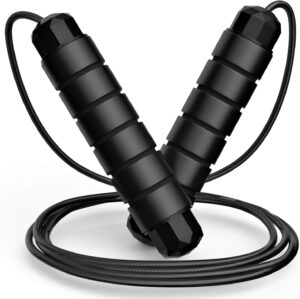
Jump Rope, Tangle-Free Rapid Speed …
Product description The video showcases the product in use.The video guides you through product setup.The video…
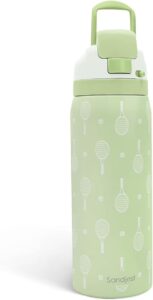
Tennis Insulated Stainless Steel Wa…
Product description Color disclaimer: product color may appear slightly different on screens due to lighting; quality…

Lamicall 24g Polarized Sports Sungl…
Stand your life, hold your phone in a stable way. 【TAC HD Polarized Lens – 99.9%…
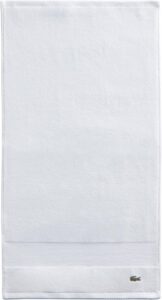
Lacoste Heritage 100% Supima Cotton…
With a clean pique border and matching pique endhem, the Lacoste Heritage Supima towel collection features…

BAGSMART Tennis Gym Bag for Women, …
From the brand Gym bags Summer travel essentials Duffle bags Tote bags Electronic bags Toiletry bags…
