
Choosing the right tennis bag is more than a style decision. The right bag protects your racquets, organizes your gear, keeps essentials at hand and reduces wear on your equipment and body. A purposeful choice saves time before matches, simplifies training days and prevents last‑minute gear failures.
This guide walks you through practical factors—bag types, capacity, protection, comfort and the extras that matter—so you can pick a bag that matches how you play, train and travel.
Types of tennis bags and who they suit
Start by matching bag type to your routine. Large racket bags and backpacks are ideal for club players who carry multiple racquets, shoes and recovery gear. If you prefer a minimalist approach for lessons or quick sessions, a sling or compact backpack works well. For a balance of court‑ready storage and everyday use, consider a versatile option like the Sucipi Tennis Bag, which combines water resistance with a slim profile for racquet carry and daily items.
Capacity: how many racquets and extra gear do you carry?
Decide how many racquets you usually take and then add space for shoes, clothes and extras. Singles players who change grips and strings often will want room for three to six rackets; social players may carry one or two. If you travel to tournaments or work from the courts, pick a bag sized for overnight items and a laptop. The roomy design of the BAGSMART Tennis Gym Bag shows how capacity plus specialized compartments can serve both court and daily needs.
Compartments, protection and thermal pockets
Look for dedicated racquet compartments with inner padding or thermal lining to protect strings and frames from temperature swings. Separate shoe or damp‑clothes compartments prevent sweat from reaching clean items. Small zip pockets are useful for keys, wallet and phones. A dedicated towel pocket or quick‑access slot helps keep the court area tidy—consider what style of towel you carry and where it will live in the bag; for a premium option, a compact, absorbent towel such as the Lacoste Heritage hand towel fits easily into most side or front pockets and stays soft after repeated washes.
Materials, weather resistance and durability
Choose durable materials—nylon, polyester or TPU—depending on your climate and use. Water‑resistant coatings and sealed zippers matter if you play outdoors in wet conditions. Reinforced bases and abrasion‑resistant fabric increase lifespan if you often carry bags on rough surfaces. Also inspect seams and zippers; a single blown zipper can make a bag useless on a busy day. If you frequently carry chilled drinks, consider bags with insulated pouches designed to keep bottles cool and protect interior gear.
Comfort, straps and carrying options
Comfort matters if you walk between courts or commute. Padded, adjustable shoulder straps and a ventilated back panel reduce fatigue and sweat. Convertibility—tote, backpack and crossbody options—adds versatility. For junior players, look for scaled‑down straps and lighter fabrics so the bag doesn’t strain growing bodies; explore age‑appropriate options under Kids Tennis Bags when selecting a first bag for a child.
What to pack: essentials and smart extras
Build a pack list around typical sessions. Essentials include racquets, extra grips, a can of balls, shoes, a change of clothes and a towel. Hydration and sun protection are musts—choose bottles and accessories that fit your bag’s pockets. For reliable on‑court hydration, a dedicated solution like the Tennis Insulated Stainless Steel Water Bottle keeps drinks cool and fits standard bottle holders. Keep small repair items—multi‑tool, tape, spare laces—in a labeled pouch for quick fixes.
Recovery, training gear and extras to carry
If you include recovery tools or training aids, check internal dimensions and weight distribution. Recovery devices such as percussion massagers are bulkier but valuable for tournaments and long sessions. A compact, effective option for on‑the‑go muscle relief is the BOB AND BRAD X6 Pro Max Massage Gun, which fits in many larger bag compartments. If you use sunglasses during play, a rigid case prevents lens damage and a purpose‑built sports model like the Lamicall Polarized Sports Sunglasses offers UV protection and stable fit during quick movement.
Durability, warranty and cost considerations
Balance price with construction. Higher‑end bags often use better zippers, reinforced stitching and thicker padding—features that pay off over seasons of use. Look for warranty and repair policies; manufacturers that stand behind their products reduce long‑term cost. If you’re frequently traveling, prioritize protective features over cosmetic extras; a well‑protected racquet and dry gear matter more than style alone.
Quick checklist: how to choose a tennis bag
- Decide how many racquets you’ll normally carry (1–2, 3–6, or more).
- Confirm racquet compartment padding and thermal lining for string protection.
- Check for a separate shoe/dirty‑laundry compartment and ventilation.
- Verify weight and strap comfort—try it loaded if possible.
- Look for water resistance and a reinforced base for durability.
- Reserve space for recovery/training tools and insulated hydration if needed.
- For juniors, choose lighter, smaller bags designed for growing players.
- Pick secure pockets for wallet, phone and keys; use small pouches for organization.
FAQ
Q: How many rackets should I carry?
A: Carry what matches your session. One or two for social play; three to six for matches or when you expect string issues.
Q: Do I need a thermal-lined compartment?
A: Thermal pockets help protect strings and dampen heat exposure. They’re useful in extreme temperatures or long travel days.
Q: Can I use a regular backpack for tennis?
A: Yes for casual sessions, but a tennis‑specific bag provides better racquet protection, dedicated shoe pockets and organization for gear.
Q: How do I keep my bag from smelling?
A: Separate sweaty items, air out the bag after use, and use washable towels and odor‑control pouches. Quick drying materials reduce mildew risks.
Q: Is an insulated bottle worth it?
A: If you train long or in hot climates, an insulated bottle keeps fluids cooler and can be a comfort advantage during long sessions.
Q: What extras should a tournament player carry?
A: Extra rackets, overgrips, a basic repair kit, recovery tools, extra clothes, sun protection and a sealed towel; prioritize what fits without overloading.
Conclusion — practical takeaway
Choose a tennis bag that matches how you play: capacity for your rackets, protective features for strings and frames, organized compartments for shoes and essentials, and comfort for carrying. Prioritize protection and functionality over looks; the right bag keeps you focused on tennis and reduces avoidable disruptions. Use the checklist above when trying bags in person, and select options that allow room for the recovery and hydration items you rely on.
Products Featured in This Article
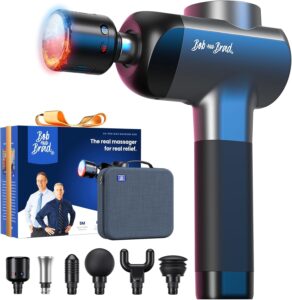
BOB AND BRAD X6 Pro Max Massage Gun…
Product description Meet Bob & Brad: Trusted by 5 Million The Internet’s Most Famous Physical Therapists…

Sucipi Tennis Bag, Quilted Tennis S…
From the brand Sucipi kids tennis bag Perfect kids tennis gifts Sucipi Kid PLAYFUL CORE SERIES…
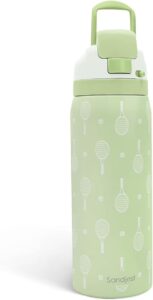
Tennis Insulated Stainless Steel Wa…
Product description Color disclaimer: product color may appear slightly different on screens due to lighting; quality…

Lamicall 24g Polarized Sports Sungl…
Stand your life, hold your phone in a stable way. 【TAC HD Polarized Lens – 99.9%…

Lacoste Heritage 100% Supima Cotton…
With a clean pique border and matching pique endhem, the Lacoste Heritage Supima towel collection features…

BAGSMART Tennis Gym Bag for Women, …
From the brand Gym bags Summer travel essentials Duffle bags Tote bags Electronic bags Toiletry bags…
