
Reaction time separates good players from great ones. In tennis, faster reactions mean better returns, sharper volleys and the ability to turn defense into offense. Improving reaction time is a mix of vision work, footwork, neuromuscular training and consistent practice.
This guide gives practical drills, equipment recommendations and progressions you can use on court and in the gym. Each section focuses on an actionable area so you can build a routine and measure improvement.
Understand what reaction time is and why it matters
Reaction time in tennis is the interval between a stimulus (opponent’s racquet, ball flight or body movement) and your first effective action (split-step, initial step, racquet preparation). It’s composed of sensory processing, decision-making and motor output. Training each component reduces the total delay and makes responses more reliable under pressure.
Train your eyes and anticipation
Improving visual processing and anticipation starts with targeted drills: tracking the ball late out of the opponent’s racquet, reading shoulder and hip cues, and practicing short-latency tracking tasks. Use short, repetitive sessions (10–15 minutes) focused on read-and-react work rather than slow technical practice.
Hand-eye coordination tools accelerate visual-motor coupling—devices designed to deliver unpredictable visual targets are especially useful. One compact trainer that fits these goals is the CHAMPKEY Hand Eye Coordination Trainer, which you can use for quick reaction sets and progressive difficulty.
Footwork and first-step speed
Reaction time is wasted if footwork is slow. Split-step timing, a compact first step and low center of gravity allow you to convert perception into movement fast. Drill the split-step on ball tosses and partner feeds so it becomes a reflex rather than a thought.
Agility tools that simulate court patterns help train the neuromuscular pathways for quicker first steps and efficient recovery. Consider adding targeted gear from the Speed and Agility Training Gear collection for ladder, cone and reaction-specific footwork progressions.
Neuromuscular drills and reaction equipment
Short, high-intensity reaction drills create meaningful neural adaptations. Examples: partner random feed (coach points or tosses to random targets), multispeed reaction ball volleys, and visual-cue sprints. Start with predictable patterns, then remove cues and increase unpredictability.
Dedicated reaction devices can add measurable unpredictability and progression. Browse the Reaction Training Equipment to find lights, pop-up targets and other options that force faster visual processing and motor output.
Plyometrics, strength and power
Reaction time depends on how quickly you can produce force once you decide to move. Short, explosive strength work—jump variations, medicine ball throws and resisted sprints—improves rate of force development (RFD). Keep sets short, with full recovery between reps to prioritize speed over fatigue.
Resistance tools are useful for sport-specific explosive strength. Lightweight, high-quality bands let you load explosive movement patterns without bulky equipment. Explore the range in the Strength Training Bands collection and use them for resisted lateral bounds, quick step bands and rotational power drills.
Core rotation and stability
Efficient transfer of force from the ground through the torso into the racquet speeds the final motor output. Train core anti-rotation and quick rotary transfers with medicine ball chops, rapid Pallof presses and reactive partner feeds that demand immediate trunk response.
Adding specific equipment can increase training specificity for rapid rotational force. Check practical options in the Core Training Equipment category and program short, explosive core sets twice weekly.
Warm-up, conditioning and quickness
Reaction improvements require a body that’s primed to move. Plyometric warm-ups, dynamic mobility and short bursts of high-cadence movement increase neural drive. Jump-rope intervals are an efficient, low-cost option to raise cadence, foot speed and rhythm before court practice.
For quick conditioning sets, use tools from the Jump Ropes for Tennis Conditioning selection—10–20 second all-out efforts with 40–50 seconds rest replicate the intermittent demands of points.
Balance, proprioception and small-stabilizer training
Good balance means less energy wasted and faster corrective actions when you’re off-balance. Single-leg stability, wobble-board progressions and perturbation drills improve the speed and accuracy of corrective muscle responses.
Balance devices force you to react to unstable surfaces and accelerate neuromuscular adaptation. Practical options are available in the Balance Boards for Tennis range—use them for short daily sessions focusing on reactive control rather than long endurance holds.
Recovery and consistency
Fast reactions require sharp neuromuscular function; poor recovery blunts the nervous system. Short, targeted recovery routines preserve quickness: foam rolling, dynamic stretching and percussive therapy after sessions help maintain tissue quality and readiness.
A simple, effective recovery tool is a high-density foam roller—use it after sessions to reduce stiffness and speed neural recovery. The Amazon Basics High-Density Foam Roller is suitable for post-practice maintenance and short pre-session mobility checks.
Programming a practical 6-week progression
Week 1–2: Technical focus—split-step timing, slow tracking drills, basic footwork ladders. Keep sessions light and frequent.
Week 3–4: Add brief reaction device sets, light plyometrics, jump-rope quickness and band-resisted first-step drills.
Week 5–6: Increase unpredictability—random partner feeds, reaction lights, combined multisensory drills (visual + auditory), and maintain short high-quality strength work.
- Daily: 8–12 minutes of visual tracking or hand-eye drills.
- 3× week: 15–25 minutes of footwork/agility + 6–10 short explosive sets.
- 2× week: Strength/power session emphasizing RFD (bands, plyos).
- Post-session: 5–10 minutes of foam rolling and mobility.
Quick checklist
- Practice split-step timing every session.
- Include unpredictable reaction drills twice weekly.
- Do short explosive strength work for RFD.
- Use balance and core drills to speed corrective responses.
- Prioritize short recovery sessions to keep neural sharpness.
FAQ
Q: How often should I do reaction drills?
A: Short daily visual or hand-eye sessions (8–15 minutes) plus 2–3 weekly court-based reaction sessions is a practical balance for most players.
Q: Will reaction training make me injury-prone?
A: No—if you progress gradually, emphasize quality and include proper warm-up and recovery. Use supportive single-leg and core exercises to reduce risk.
Q: Can I improve reaction time without special equipment?
A: Yes. Partner random feeds, unpredictable tosses, shadowing and vision drills improve reaction time. Equipment speeds progress and adds variety.
Q: How long before I notice improvement?
A: Many players notice small changes within 3–6 weeks with consistent, focused practice; larger improvements take longer and require periodized training.
Q: Should I prioritize speed or accuracy?
A: Start with accuracy and proper movement patterns, then increase speed. Fast movement without control reduces effectiveness.
Conclusion
Improving reaction time is a multi-faceted process—vision, footwork, power, balance and recovery all matter. Build short, consistent drills into your routine, use targeted equipment to accelerate gains, and progress from predictable to unpredictable tasks. Practical takeaway: start a weekly plan combining brief daily vision work, 2–3 court reaction sessions, and twice-weekly explosive strength work—measure progress and adjust intensity as you improve.
Official Tennis Federation Resources
For the latest rules, rankings, tournaments, and development programs, check these leading tennis federations:
- International Tennis Federation (ITF)
- ATP Tour
- WTA Tennis
- United States Tennis Association (USTA)
- Tennis Australia
- Tennis Europe
Products Featured in This Article
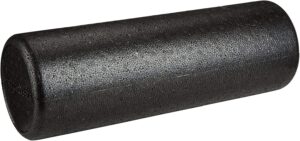
Amazon Basics High-Density Foam Rol…
Amazon Basics High-Density Round Foam Roller for Exercise and Recovery – 18-Inch, Black High-density foam roller…
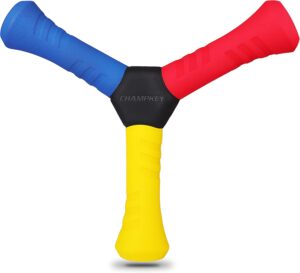
CHAMPKEY Hand Eye Coordination Trai…
Sturdy & Flexible : Made of premium polyurethane foam material features non-toxic , lightweight and waterproof….
