
Tennis Integrity shop carries many training tools and accessories, but the simplest piece of kit you use every time is the tennis ball. Picking the right ball for practice affects feel, footwork, and meaningful repetitions. The goal of this guide is straightforward: help you choose balls that make practice more efficient and transferable to match play.
Below you’ll find clear, practical criteria—ball type, age, court surface, drill purpose, and storage—that let you match balls to specific training sessions. If you want to pair ball choices with training aids, a few targeted tools can make certain drills much more productive; for solo practice drills consider a solo trainer rebounder to get consistent repetitions.
Why ball choice matters for practice
Practice is deliberate: you want the same responses you’ll need in match play. Using the wrong balls can teach poor timing (balls that die too quickly), inefficient footwork (balls that bounce inconsistently), or bad stroke mechanics (balls that feel too soft or too hard). Choosing the correct ball type for your intended drill preserves the quality of hundreds of reps.
Types of tennis balls and when to use them
There are three main categories most players will encounter:
- Pressurized (standard) balls — lively feel, best for match-simulated play and fast-feed drills.
- Pressureless balls — heavier, more durable, good for machines and long, repetitive hitting sessions where consistent bounce over many hits is required.
- Reduced-compression (stage or low-compression) balls — slower and larger bounce for beginners, kids, or warmups focused on technique.
For adult players focusing on stroke timing and transition to matches, keep a mix: pressurized balls for situational drills, pressureless for high-rep feed and machine work, and low-compression for teaching or kids.
Pressurized vs. pressureless: choose by session goals
Pressurized balls offer true court feel but lose liveliness after a dozen hours of play. Use them when practicing point construction, serve-return patterns, or live-ball drills. Pressureless balls keep bouncing consistently and are ideal for bucket-fed practice, ball machines, and a partner who wants hundreds of consistent feeds.
If you use a ball machine or long solo sessions, combine a durable option with a rebounder or trainer to protect pressurized cans. For at-home repetitive drills, a pressureless ball will save money and avoid the variance that dead pressurized balls introduce.
Matching balls to surfaces and conditions
Court surface and weather change bounce and feel: clay softens bounce and slows ball speed; hard courts increase speed and elevation; grass flattens the bounce and can accelerate wear. If you practice on clay or in damp conditions, pressureless balls can help maintain consistent practice quality. For dry hard-court sessions intended to simulate matches, fresh pressurized balls are the best option.
Balls for drills, partner feeds, and solo work
Different drills need different balls. For accuracy and match-like timing use fresh pressurized balls. For repeated baseline rallies with a machine or for stroke-pattern drilling, use pressureless. When doing contact-heavy technical work—half-volleys, short-court punch volleys—choose balls that are comfortable to control (often slightly lower pressure for beginners).
If you’re supplementing practice with coordination or reaction tools, pairing the right ball type with those tools magnifies benefit—for example, off-court reaction drills help foot speed and anticipation, which you can immediately apply with balls that produce predictable, repeatable bounces. For off-court reaction work, consider a focused reaction trainer such as the hand-eye coordination trainer to sharpen reflexes before on-court ball work.
Conditioning and footwork integration
Conditioning sessions tied to on-court practice ensure your movement stays sharp under fatigue. Use lighter, lively balls for drills that require quick recovery and realistic pace; use durable balls for long, repetitive conditioning sets where you don’t want changing ball behavior to affect technique.
Integrate tools that build speed and agility alongside ball work—agility ladders and jump ropes accelerate footwork and recovery between strokes. For example, ladder drills between feeding sequences make short-sprint recovery smoother; an agility ladder set is compact and immediately useful on-court, and a speed rope is perfect for dynamic warm-ups that translate to quicker first steps.
Ball care, storage and maximizing lifespan
To stretch value from pressurized balls, keep unopened cans cool and out of direct sun. Once opened, store balls in a shaded bag or pressurizer if you have one. For pressureless balls, rinse and dry them occasionally to remove grit that accelerates wear.
Recovery and maintenance routines keep your body ready for the volume good ball choice creates. After long practice sessions, use a foam roller to ease tightness and speed recovery so you can hit the same quality tomorrow; a practical option is the high-density foam roller.
Practical gear and logistics for consistent practice
Think beyond the ball: bring enough balls for the intended session and store extras properly. A well-organized kit saves time between drills. A roomy, compartmentalized tennis bag simplifies transporting cans, extra shoes, and recovery items—consider a reliable option like the BAGSMART tennis gym bag.
Hydration is part of quality practice. Keep a good insulated bottle courtside so you’re not substituting hydration breaks for technical focus; an insulated water bottle helps maintain consistent fluid temperature during long sessions: tennis water bottle.
Checklist: Quick decisions before you hit the court
- Session goal? (match simulation, repetition, technique, kids’ lesson)
- Ball type chosen? (pressurized, pressureless, reduced-compression)
- Number of balls and backups packed
- Surface and weather considered
- Conditioning tools and recovery items ready (ladder, rope, foam roller)
- Bag and hydration packed
FAQ
- Q: How many pressurized balls should I buy for a two-hour practice?
A: Expect to use 6–12 pressurized balls depending on rallies and feed frequency; keep extra cans if you’ll be practicing match-feel drills. - Q: Are pressureless balls bad for match preparation?
A: They’re fine for volume and machine work but won’t replicate true match feel; alternate with pressurized balls for timing drills. - Q: How often should I replace practice balls?
A: Pressurized balls lose liveliness after 6–12 hours of play; pressureless balls can last months of repeated use. Replace when bounce or feel clearly changes. - Q: Best balls for juniors?
A: Use reduced-compression stage balls matched to age/skill; they slow the game and let kids learn technique earlier. - Q: Can I use the same balls for serve practice and baseline rallies?
A: Yes, but keep fresh pressurized balls for serve practice where pace and bounce matter; pressureless balls are fine for long baseline repetition.
Practical takeaway: choose balls based on the session’s purpose—pressurized for match-like timing, pressureless for high-rep durability, and reduced-compression for learning. Pair your ball choice with relevant training and recovery tools (reaction trainers, agility gear, foam rollers) and keep a consistent checklist so each practice builds the exact skill you want to improve.
Products Featured in This Article
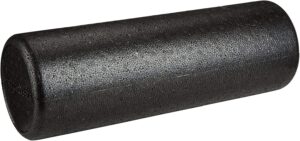
Amazon Basics High-Density Foam Rol…
Amazon Basics High-Density Round Foam Roller for Exercise and Recovery – 18-Inch, Black High-density foam roller…
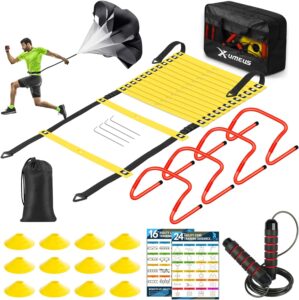
X-UMEUS Agility Ladder Speed Traini…
Agility Ladder Speed Training Equipment Set for anyone looking to increase their Agility, Speed, Balance, Explosiveness,…
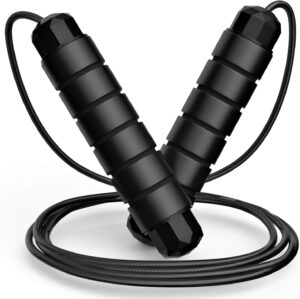
Jump Rope, Tangle-Free Rapid Speed …
Product description The video showcases the product in use.The video guides you through product setup.The video…
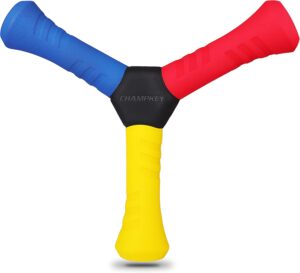
CHAMPKEY Hand Eye Coordination Trai…
Sturdy & Flexible : Made of premium polyurethane foam material features non-toxic , lightweight and waterproof….
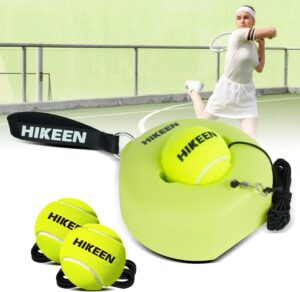
Hikeen Premium Tennis Trainer Rebou…
Hikeen Premium Tennis Trainer Rebound with Metal Base [DURABLE METAL BASE]:Hikeen tennis trainer rebound upgraded with…
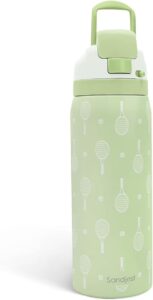
Tennis Insulated Stainless Steel Wa…
Product description Color disclaimer: product color may appear slightly different on screens due to lighting; quality…

BAGSMART Tennis Gym Bag for Women, …
From the brand Gym bags Summer travel essentials Duffle bags Tote bags Electronic bags Toiletry bags…
