
How to Stay Focused During a Tennis Match
Focus is the difference between winning the points you should win and giving away simple mistakes. On-court concentration is a skill you can train: it combines routine, breath control, movement habits and small, reliable rituals that anchor you in the present point.
This guide gives clear, practical strategies you can use today — from pre-match preparation to point-by-point routines and mid-match resets — so you keep attention on process, not outcomes.
Pre-match routine: build a focused foundation
Preparation sets the stage for focus. A consistent pre-match sequence reduces decision fatigue and prepares both body and mind. Start 60–90 minutes before your match: light movement, brief visualization of your first few service games, and a hydration plan you can trust. Keep accessible tools on court that support these habits — for example, an insulated water bottle so your sip routine is reliable and refreshing during breaks.
Warm-up that sharpens attention
Your warm-up should do two things: prepare movement and begin focus training. Use short, high-quality reps that require attention (quick volleys, targeted serves, short-court rallies). Add dynamic tools that increase rhythm and hand-eye coordination — a few minutes with a fast jump rope primes the nervous system and helps maintain focus under fatigue. Consider a speed jump rope for quick cardio and timing work.
Point-by-point routine: control the controllables
Top players use identical micro-routines between points. Create a 5–10 second sequence you use every time: towel, breath, visual target, bounce count on serve, then execute. That sequence blocks wandering thoughts and prepares your motor plan.
Tips to build a reliable routine:
- Fix one short cue: a single word (e.g., “short” or “steady”) or a three-count breath.
- Use physical anchors: a towel snap, a quick towel wipe, or a specific place to look while taking your breath.
- Keep it brief — the goal is consistent reset, not analysis.
Train reaction and split-attention with drills
Concentration under pressure is a trained skill. Use drills that require quick decisions and immediate execution; they force the brain to make fast, focused choices. Tools such as reaction training tools (reaction balls, lights, hand-eye devices) accelerate this adaptation and make match situations feel less surprising.
Footwork, tempo and staying present
Good footwork reduces cognitive load. When movement is automatic and efficient you free attention for strategy and opponent reads. Incorporate ladder work, cone drills and short sprints into practice so stepping patterns are predictable under pressure. A set of speed and agility gear helps ingrain tempo and rhythm — both crucial to staying present point-to-point.
Balance, core and steady attention
Balance and core stability keep your head steady through strokes and help maintain visual focus on the ball. Spend time in sessions on single-leg balance, controlled rotational work and core endurance. If you want specific equipment to develop these skills, explore balance boards that simulate on-court instability and force concentration on body position.
Between-point rituals, environment and small anchors
Use sensory anchors to bring yourself back: a specific spot on the court to look at, the feel of your towel, or a consistent sip routine. Physical objects can be reliable anchors — a quick towel wipe or a glance to your bag. Keep items that support these rituals close at hand, like high-quality tennis towels, so you don’t hunt for them and break rhythm.
Managing momentum, pressure and brief resets
Pressure changes how you think. Simple resets work better than long internal debates: two deep diaphragmatic breaths, a replay of one technical cue, and a short micro-goal for the next point (e.g., “deep first serve” or “first to body”). Physical tools can also help with short-term muscle release after long matches or tight sets; portable devices such as massage guns are useful for quick loosening during multi-match days or long tournaments.
Recovery and attention for the next match
Focus is easier when you’re physically ready. Post-match recovery preserves cognitive stamina for future matches: brief self-massage, stretch, nutrition, sleep and targeted myofascial work. Keep foam rollers or compact recovery tools in your bag to speed tissue recovery and reduce lingering discomfort that distracts you the next day. Good options include foam rollers designed for athletes.
Practice habits that transfer to matches
Most match-focus problems are habits trained in practice. Simulate pressure in training: score-based drills, limited warm-ups, tiebreak practice with consequences, and focused point-play where only process goals are counted. Practicing under mild stress makes match stress feel normal and reduces the attention leaks that cost points.
Checklist: quick focus tools to keep in your bag
- Consistent pre-match checklist (nutrition, hydration, warm-up plan)
- Short between-point routine (towel, breath, cue)
- Small physical anchors (towel, water bottle, visual spot)
- Practice drills that force reaction and decision speed
- Footwork and balance tools in weekly training
- Recovery tools for between matches (foam roller or massage gun)
FAQ
Q: How long should my between-point routine be?
A: Keep it brief — 5–12 seconds. Long routines invite rumination; short, predictable resets maintain rhythm.
Q: What if I lose focus mid-game and can’t get it back?
A: Use the simplest reset: two slow diaphragmatic breaths, physical anchor (towel), and a one-word cue that directs attention back to process (e.g., “ready” or “relax”). Then play the next point with a single micro-goal.
Q: How do I train focus during practice?
A: Add pressure elements: score constraints, serve targets, and reaction drills. Mix technical reps with game-like decision drills so attention training is context-specific.
Q: Can equipment improve my focus?
A: Yes — items that stabilize routine and comfort can help. Reliable water bottles, towels, and practical training tools (agility ladders, reaction devices, balance boards) reduce distractions and support consistent habits.
Q: How often should I practice mental routines?
A: Daily repetition is ideal. Short mental rehearsals, pre-sleep visualization and consistent on-court routines build automaticity.
Q: Are there quick physical resets during long matches?
A: Use simple mobility or release techniques during changeovers (light calf stretch, shoulder circles) and apply brief massage or rolling after the match to prevent aches that distract later.
Conclusion — a practical takeaway
Focus is a collection of small, repeatable habits. Prioritize a consistent pre-match routine, a short between-point reset, and training that combines movement, reaction and pressure. Use simple physical anchors (towel, water bottle) and targeted training tools to make focused play automatic. Start by choosing one micro-routine and practicing it until it becomes unavoidable — that single habit will deliver immediate improvement in concentration and match performance.
Official Tennis Federation Resources
For the latest rules, rankings, tournaments, and development programs, check these leading tennis federations:
- International Tennis Federation (ITF)
- ATP Tour
- WTA Tennis
- United States Tennis Association (USTA)
- Tennis Australia
- Tennis Europe
Products Featured in This Article
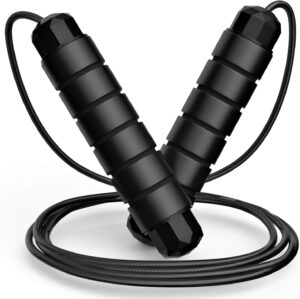
Jump Rope, Tangle-Free Rapid Speed …
Product description The video showcases the product in use.The video guides you through product setup.The video…
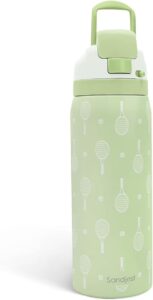
Tennis Insulated Stainless Steel Wa…
Product description Color disclaimer: product color may appear slightly different on screens due to lighting; quality…
