
Introduction
Well-maintained gear performs better, keeps you comfortable, and saves money. Whether you play recreationally or compete weekly, small, regular care routines extend the life of racquets, shoes, recovery tools, apparel and court equipment.
This post gives clear, practical maintenance tips you can apply today, plus a checklist and short FAQ to answer common care questions. Follow these steps to protect your investment and keep gear reliable on match day.
1. Store gear correctly: bags, racquets and shoes
Proper storage prevents premature wear. Keep racquets in a ventilated bag and avoid tight, hot spaces that degrade strings and glue. Store shoes in a separate compartment to isolate dirt and moisture—use a dedicated tennis bag with ventilation to make this easy.
Consider a purpose-built option like the BAGSMART Tennis Gym Bag to keep racquets, shoes and wet items separated and protected during transport.
2. Clean and care for the court equipment you use
Court maintenance tools—squeegees, brushes and rollers—need cleaning and seasonal checks to function well. After play, rinse grit and clay from squeegee sponges and allow them to dry flat to prevent mold and deformation. Inspect handles and fasteners for looseness.
If you manage a court or regularly use court tools, invest in quality replacements and parts from specialized categories like Tennis Court Squeegees to reduce downtime and maintain a clean surface that preserves balls and shoes.
3. Collecting and storing balls efficiently
Using hoppers, pick-up tubes and baskets minimizes bending, reduces contamination of balls by dirt, and keeps them in good condition. After practice, air-dry wet balls and store them in a cool, dry place—avoid direct sunlight and hot vehicles which can change bounce and shorten life.
For coaching groups and drills, choose suitable pickup and storage solutions from the Tennis Ball Pick Up Tubes category to speed cleanup and protect equipment.
4. Apparel and towel care: sweat is the enemy of longevity
Sweat salts, sunscreens and dirt degrade fabrics. Rinse heavily soiled shirts and shorts immediately after play. Wash technical fabrics on a gentle cycle with mild detergent; avoid fabric softeners that block moisture-wicking finishes. Air-dry or tumble-dry on low per manufacturer instructions.
Use absorbent, quick-drying towels to limit repeated washing of larger garments; a high-quality towel can reduce wear on core apparel. The Lacoste Heritage hand towel is an example of durable, quick-drying fabric suitable for frequent court use.
5. Hydration gear: clean and inspect bottles
Bottles and insulated containers trap bacteria and odors if not cleaned. Rinse and wash water bottles after every session with warm soapy water; for long-term odor control run a mix of baking soda and water through the bottle or use a bottle brush to reach the bottom. Inspect lids and seals for cracks—replace seals when they harden or tear to keep bottles leak-proof.
Consider a durable option like the Tennis insulated stainless steel water bottle for long-lasting thermal performance; maintain it by removing and cleaning any silicone components regularly.
6. Care and storage for resistance and training bands
Resistance bands are economical but vulnerable to nicks and UV damage. Store bands flat or rolled in a drawer away from sunlight and sharp edges. Wipe bands with mild soap and water after use; inspect for small cuts or thinning—discard any band with visible damage to avoid snapping during exercise.
Rotate bands and treat them as consumables: the right storage and inspection routine extends life. Check out options such as Resistance Bands for Working Out and store them per the manufacturer’s guidance.
7. Maintain foam rollers and other recovery tools
Recovery tools collect sweat and grime. Wipe foam rollers after use with a damp cloth and mild detergent, then air-dry. Hard-surface rollers can tolerate more vigorous cleaning; softer EVA or foam surfaces need gentler care to avoid chemical breakdown.
A high-density foam roller like the Amazon Basics foam roller can last years if cleaned regularly and stored flat rather than standing on end to prevent deformation.
8. Percussion devices and electronic recovery gear
Massage guns and electronic recovery devices require special care: wipe attachments between uses, remove and clean detachable heads, and avoid water exposure to the motor housing. Store in a padded case and keep batteries charged per manufacturer recommendations to preserve battery life.
For durable options, products like the BOB AND BRAD X6 Pro Max require regular cleaning of heads and checks of fasteners to stay safe and effective.
Checklist: Quick maintenance tasks
- After each session: air out racquet bag, remove wet clothes, wipe sweat-prone grips and equipment.
- Weekly: wash towels and apparel, clean water bottles and wipe foam rollers.
- Monthly: inspect shoes for sole wear, check racquet strings for fraying, replace overgrips as needed.
- Seasonally: deep-clean court tools and inspect hoppers and ball pickers for wear.
- Every 6–12 months: replace resistance bands with visible wear, service electronic recovery tools and refresh battery care.
FAQ
Q: How often should I restring my racquet?
A: Frequency depends on play volume and string type. A common rule is restring as many times per year as you play per week (e.g., three times/year if you play three times/week). Inspect strings for notching, loss of tension or roughness to guide timing.
Q: Can I machine-wash my tennis shoes?
A: Most athletic shoes tolerate a gentle machine wash if placed in a laundry bag and washed on cold with air drying, but check manufacturer guidance. Remove insoles and laces and air-dry away from direct heat to prevent glue failure.
Q: What’s the best way to store racquets long-term?
A: Store racquets in a cool, dry place in a ventilated case. Avoid hot attics and cars. Loosen tight head covers to prevent pressure on strings and frames.
Q: How do I extend the life of overgrips?
A: Overgrip life depends on sweat and frequency. Wipe your hands before play, rotate grips between sessions, and replace when tack or absorbency diminishes. Store racquets out of direct sun to reduce adhesive breakdown.
Q: Are there quick cleaning steps for balls and hoppers?
A: Brush surface dirt off balls after play, air-dry if damp, and periodically wipe hoppers and tubes to prevent buildup. Replace balls showing heavy fuzz loss or flattened bounce.
Conclusion
Consistent, simple maintenance routines keep tennis gear functional and comfortable while saving money. Use the checklist above, inspect equipment regularly, and store items correctly. Small efforts—cleaning bottles, airing gear, inspecting bands—add up to longer-lasting equipment and more reliable performance on court.
Official Tennis Federation Resources
For the latest rules, rankings, tournaments, and development programs, check these leading tennis federations:
- International Tennis Federation (ITF)
- ATP Tour
- WTA Tennis
- United States Tennis Association (USTA)
- Tennis Australia
- Tennis Europe
Products Featured in This Article
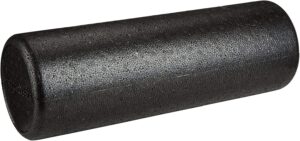
Amazon Basics High-Density Foam Rol…
Amazon Basics High-Density Round Foam Roller for Exercise and Recovery – 18-Inch, Black High-density foam roller…
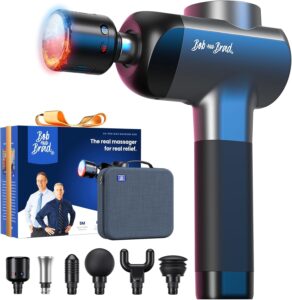
BOB AND BRAD X6 Pro Max Massage Gun…
Product description Meet Bob & Brad: Trusted by 5 Million The Internet’s Most Famous Physical Therapists…

Resistance Bands for Working Out, 5…
Complete 5-Pack Fitness Kit: This versatile set of durable resistance bands includes 5 multi-level exercise bands…
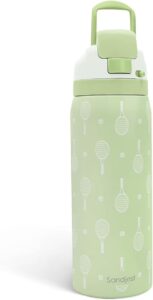
Tennis Insulated Stainless Steel Wa…
Product description Color disclaimer: product color may appear slightly different on screens due to lighting; quality…
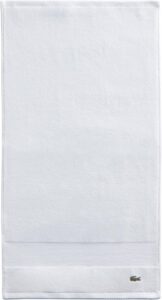
Lacoste Heritage 100% Supima Cotton…
With a clean pique border and matching pique endhem, the Lacoste Heritage Supima towel collection features…

BAGSMART Tennis Gym Bag for Women, …
From the brand Gym bags Summer travel essentials Duffle bags Tote bags Electronic bags Toiletry bags…
