
Tennis Recovery Tips After a Long Match
After a long, physically and mentally draining tennis match, what you do in the next 24–72 hours determines how quickly you recover and how ready you are for the next session. Recovery is a mix of immediate actions, targeted soft-tissue work, and longer-term habits that protect joints and rebuild energy.
This guide gives practical, evidence-informed tactics you can apply right away: cooling down, refuelling, managing soreness, and using the right gear to speed up recovery without overcomplicating the process.
Cool-down: 10–15 minutes that matter
Finish the match with a controlled cool-down to remove metabolic byproducts, reduce stiffness, and begin resetting your nervous system. Keep the intensity low: 5–8 minutes of light jogging or walking, followed by dynamic-to-static stretching focused on the quads, hamstrings, calves, hips and shoulders. Add 2–3 minutes of controlled breathing (box or diaphragmatic) to lower heart rate and start the parasympathetic response.
Hydration and immediate refuelling
Start rehydration immediately, aiming to replace about 150% of any fluid loss over the next 2–4 hours while including sodium in one of the early feeds to aid retention. Within 30–60 minutes post-match have a mixed carbohydrate-protein snack (3:1 or 4:1 carbs:protein) to jumpstart glycogen resynthesis and muscle repair. A reliable container helps you sip consistently — consider using a dedicated match-day bottle such as the Tennis Insulated Stainless Steel Water Bottle to keep fluids cold and accessible on court and afterward.
Active recovery and mobility (24–48 hours)
Instead of full rest, use low-intensity movement the day after: 20–30 minutes of cycling, brisk walking, or an easy swim to increase circulation without loading damaged tissue. Follow with mobility drills to maintain joint range—hip openers, thoracic rotations and ankle mobility. Gentle resistance and band work can help restore neuromuscular control; lightweight resistance bands are excellent for controlled hip and shoulder activation and can be used in-home or during travel. Explore targeted options for rehab and mobility in the Resistance Bands for Tennis Training range.
Soft-tissue care: foam rolling and targeted myofascial work
Foam rolling helps reduce localized tightness and improves tissue quality if you use it carefully. Spend 1–2 minutes per muscle group (quads, IT band, calves, glutes, lats), avoiding aggressive pressure on acute joint pain. A dense roller gives deeper pressure and is useful for players who tolerate firmer massage—consider tools like the Amazon Basics High-Density Foam Roller for durable, travel-friendly use.
Percussive therapy: when and how to use massage guns
Percussive devices can accelerate soft-tissue warm-up and help flush soreness when used for short durations on large muscle groups. Limit sessions to 1–2 minutes per area, avoid bony areas, and keep intensity moderate—this is to stimulate circulation and reduce tightness, not to treat acute inflammation. For players who use percussion regularly, a high-quality device like the BOB AND BRAD X6 Pro Max Massage Gun provides multiple speeds and attachments for different muscle groups.
Joint protection: braces, taping and progressive loading
If you felt joint irritation during the match, continue protective measures and avoid heavy loading until discomfort is reliably reduced. For recurring or persistent knee symptoms, considered targeted support that stabilizes the joint without restricting mobility—products such as the Bauerfeind GenuTrain knee brace can provide compression and proprioceptive support while you return to controlled training.
Ankle care and acute sprain strategy
Ankle issues are common in long matches. For mild instability or prevention when returning to play, a reliable lace-up brace can add lateral support and confidence during early sessions. If swelling or sharp pain is present, follow RICE/PEACE & LOVE principles and consult a clinician before resuming high-impact drills. For everyday supportive use during recovery, look at options like the Ankle Brace for Women & Men.
Strength, core work and graded return-to-play
Between 48–72 hours after a taxing match, reintroduce low-load strength and neuromuscular drills to rebuild resilience without provoking setbacks. Short sessions focusing on core stability, single-leg balance and controlled hip strength reduce reinjury risk and restore stroke power. If you don’t have a gym setup, basic tools in a focused kit help you do progressive work at home—see starter options for core training equipment to plan simple, repeatable sessions.
Post-match kit: the small items that matter
Pack a recovery kit to make post-match routines reliable: an absorbent towel to dry off and cool down, a refillable bottle for rehydration, and minimal mobility tools. A soft, quick-dry towel is a small touch that speeds comfort during travel and after showers—consider a classic option like the Lacoste Heritage hand towel for a reliable, compact towel you can toss in your bag.
Checklist: Quick post-match recovery actions
- Cool down: 10–15 minutes light movement + breathing.
- Refuel: carbohydrate + protein snack within 30–60 minutes.
- Rehydrate: sip fluids with electrolytes; monitor urine color.
- Soft-tissue: 1–2 minutes per muscle with a foam roller.
- Percussive therapy: short, moderate sessions on large muscles.
- Support: use braces for unstable joints; delay heavy loading if painful.
- Active recovery: easy cardio 24 hours after, then graded strength.
- Sleep: prioritize 7–9 hours; consider a short nap if fatigued.
Conclusion: Practical takeaway
Recovery is intentional and repeatable: cool down, refuel, restore mobility, manage sore tissue, protect vulnerable joints, and reintroduce strength gradually. Use simple tools consistently and focus on small, high-impact habits—hydration, sleep, and progressive loading—to stay fit for the next match.
FAQ
Q: How long should I wait to train after a long match?
A: Start active recovery within 24 hours (light cardio, mobility). Resume strength or high-intensity training when soreness is mild and range of motion is near normal—typically 48–72 hours, but adjust based on how you feel.
Q: Are massage guns safe to use every day?
A: Yes for most players if used correctly: short sessions, moderate intensity, avoiding bony areas and acute inflammation. If you have a medical condition, check with a clinician first.
Q: Should I ice or heat after a match?
A: Ice is appropriate for acute swelling or sharp pain; heat is better for chronic tightness before activity. Don’t overuse either—20 minutes at a time is a reasonable guide.
Q: When should I see a professional for post-match pain?
A: Consult a physiotherapist or sports clinician if pain is sharp, persistent beyond a few days, limits range of motion, or affects walking and playing.
Q: Can compression or braces replace rehab exercises?
A: No—braces can support and protect, but targeted strengthening and neuromuscular work are essential for long-term resilience and should accompany any supportive gear.
Products Featured in This Article

Bauerfeind – GenuTrain –…
Product description How do I know what size I need? The sizing guide will walk you…

Ankle Brace for Women & Men &#…
From the brand Z Athletics The Road to Recovery Just Got Easier. Find Our Products Built…
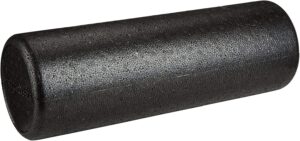
Amazon Basics High-Density Foam Rol…
Amazon Basics High-Density Round Foam Roller for Exercise and Recovery – 18-Inch, Black High-density foam roller…
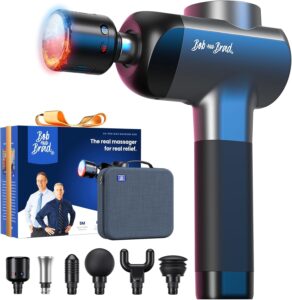
BOB AND BRAD X6 Pro Max Massage Gun…
Product description Meet Bob & Brad: Trusted by 5 Million The Internet’s Most Famous Physical Therapists…
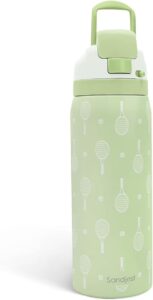
Tennis Insulated Stainless Steel Wa…
Product description Color disclaimer: product color may appear slightly different on screens due to lighting; quality…
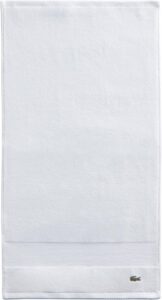
Lacoste Heritage 100% Supima Cotton…
With a clean pique border and matching pique endhem, the Lacoste Heritage Supima towel collection features…
