
Tennis Strategy Tips for Winning More Points
Winning more points in tennis is less about one shot and more about a sequence of small, repeatable advantages. This guide breaks down practical strategies you can practice and implement immediately to turn tight games in your favor.
Each section focuses on a specific area—technique, movement, tactics, conditioning, and recovery—and includes targeted drills or equipment suggestions to help you improve consistently.
1. Sharpen Your Serve and Return Patterns
A high-percentage first serve and an aggressive, directional return set the tone for the point. Practice serving to three reliable targets (wide, T, body) and vary spin and depth. For returners, aim to neutralize the server by taking the ball early and returning low or deep depending on your opponent’s weakness. Use tools that make reps efficient—like the YooKoo Tennis Ball Hopper for 150 Balls—so you can practice high-volume serve and return drills with minimal interruption.
2. Improve Footwork and Court Positioning
Footwork wins more points than flash. Focus on split-step timing, quick first steps, and recovery steps that put you back in neutral. Drill directional changes and lateral shuffles; work on staying low for explosive acceleration. Incorporate ladder drills, short sprints and cone work using quality Speed and Agility Training Gear to build faster, cleaner movement patterns that reduce forced errors and create offensive opportunities.
3. Build Consistent, Penetrating Groundstrokes
Consistency with purpose: hit with margin and depth, but always look for opportunities to change pace or direction to push your opponent off-balance. Work on a compact swing on defensive balls and a longer, aggressive swing when you have time. Reaction and hand-eye drills sharpen timing—practice volley-to-groundstroke transitions and reflex feeds with a tool like the CHAMPKEY Hand Eye Coordination Trainer to improve split-second adjustments and control under pressure.
4. Dominate the Short Game and Net Play
Short balls and net exchanges decide many points. Learn to step into short balls and finish with angled volleys or drop volleys depending on the court surface and opponent’s recovery. Train your touch and timing with solo rebounders and feed systems—practicing quick volleys and reflex returns with the Hikeen Premium Tennis Trainer Rebound helps you groove net movement and soft hands without needing a partner.
5. Conditioning to Sustain Intensity
Matches are won in the later games; conditioning keeps you sharp when points get tight. Short, high-intensity interval work mimics tennis’s stop-start nature. Jump rope sessions improve foot speed and cardiovascular capacity while staying joint-friendly—regular use of Jump Ropes for Tennis Conditioning will increase your first-step quickness and recovery between points.
6. Core and Balance for Stability and Power
A strong core and balance transfer power efficiently from legs through shoulder and racquet. Integrate rotational core work and single-leg stability drills into weekly training to improve shot consistency under pressure. Balance-focused tools not only reduce injury risk but sharpen on-court balance during stretched shots—consider adding Balance Boards for Tennis to short daily sessions to accelerate improvements.
7. Recovery and Injury-Prevention Strategies
Maintain training load while limiting downtime by prioritizing recovery: foam rolling, targeted mobility, and percussion therapy shorten soreness and speed readiness between sessions. Use practical aids after long practices and matches—rolling tight muscles and breaking up adhesions with items like Foam Rollers for Tennis Players helps you recover faster and stay available for consistent practice.
8. Point Construction and Tactical Mindset
Winning points is a tactical puzzle. Start each point with a plan: where you’ll serve/return, how you’ll construct the rally, and what finishing pattern you’ll use. Use early ball-taking, targeted depth, and sudden changes (slice, drop, inside-out) to control momentum. When opponents respond, reset to a simpler baseline shot and recreate the pattern. For broader resources on training and gear that support these tactical habits, explore the main Tennis Integrity category for equipment and training aids that match your goals.
Checklist: Key Practice Priorities
- Serve to three targets every practice (15–30 serves each target).
- Daily footwork ladder or cone drills (5–10 minutes).
- Groundstroke depth drills: 3-long, 1-short pattern.
- Net session: 50 volleys and 20 approach-feeding reps.
- Two 3–5 minute jump-rope intervals for speed endurance.
- 10 minutes of foam rolling and targeted mobility post-session.
FAQ
- How often should I practice these strategies?Divide focus across weekly cycles: 2–3 technical sessions, 1–2 tactical match-play sessions, and 2 conditioning/recovery sessions. Adjust by match schedule.
- What’s the easiest way to improve first-step quickness?Short, frequent ladder work, resisted sprints, and jump-roping drills performed 3–4 times per week produce the fastest gains. Equipment like agility ladders can structure effective sessions.
- How do I know when to play aggressively vs. defensively in a point?Play aggressively when you can take the ball early, get the opponent moving, or when they’re off-balance. Revert to defensive depth when stretched or out of position; your goal is to regain balance and recreate an offensive chance.
- Can solo practice tools really improve match play?Yes—repetition builds feel and decision-making speed. Solo trainers and hoppers increase volume, letting you focus on specific point patterns and touches that translate directly to match scenarios.
- How should I structure recovery on tournament weeks?Reduce volume, maintain intensity with short sharp sessions, prioritize mobility and rolling, and use foam rollers and soft-tissue work to keep muscles responsive. Rest and nutrition become priorities after day matches.
Conclusion
Turn strategy into habit: practice specific patterns, train movement and conditioning that translate to match speed, and prioritize recovery. Start each week with a focused plan (serve targets, footwork, and a finishing-pattern drill), and you’ll see steady gains in point-winning consistency.
Official Tennis Federation Resources
For the latest rules, rankings, tournaments, and development programs, check these leading tennis federations:
- International Tennis Federation (ITF)
- ATP Tour
- WTA Tennis
- United States Tennis Association (USTA)
- Tennis Australia
- Tennis Europe
Products Featured in This Article
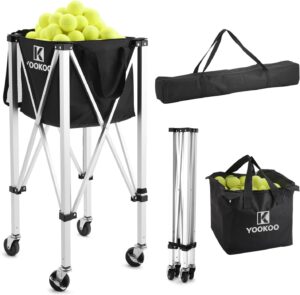
YooKoo Tennis Ball Hopper for 150 B…
Product description Help focus on the tennis training; Keep the beat in the game150 tennis balls…
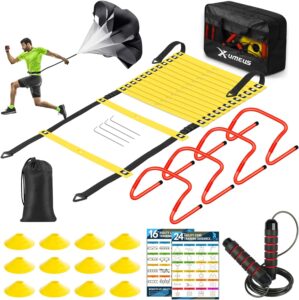
X-UMEUS Agility Ladder Speed Traini…
Agility Ladder Speed Training Equipment Set for anyone looking to increase their Agility, Speed, Balance, Explosiveness,…
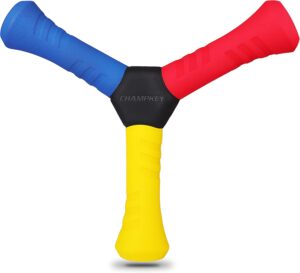
CHAMPKEY Hand Eye Coordination Trai…
Sturdy & Flexible : Made of premium polyurethane foam material features non-toxic , lightweight and waterproof….
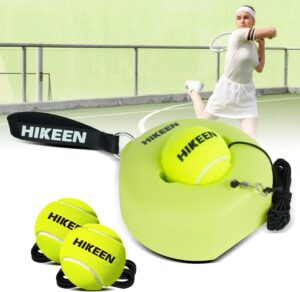
Hikeen Premium Tennis Trainer Rebou…
Hikeen Premium Tennis Trainer Rebound with Metal Base [DURABLE METAL BASE]:Hikeen tennis trainer rebound upgraded with…
