
Wearing a tennis necklace is more than a style choice — for many players it’s a small, practical accessory that can carry sentimental value, improve comfort during play, or simply complete your on-court look. This guide covers everything you need to know about tennis necklaces: types, specs, pros and cons, how to wear them safely on court, and the top picks for both sport-focused and jewelry-style options. If you plan to buy through links in this guide, please note that some are affiliate links and Tennis Integrity may earn a small commission at no extra cost to you.
Quick summary: who this article is for
- Recreational and competitive players who want a comfortable, low-profile accessory for matches and practice.
- Players who want a tennis-themed jewelry piece that stands up to sweat and repeated use.
- Coaches and parents selecting safe accessories for juniors (breakaway clasps and silicone options).
- Anyone seeking practical buying advice about lengths, materials, and clasp types for on-court wear.
Comparison: quick checklist table for choosing a tennis necklace
| Type | Common materials | Best for | Typical price | Safety / court use |
|---|---|---|---|---|
| Performance / sports necklace | Silicone, nylon, woven cord, titanium inserts | Players who want a light, sweat-proof option | $10–$60 | Usually safe; choose breakaway clasp for juniors |
| Magnetic / “wellness” necklaces | Titanium, nylon cord, magnetic inserts | Players drawn to athlete-endorsed wearables | $20–$100 | Wear with caution; avoid if you use electronic medical implants |
| Jewelry tennis necklace (chain) | Gold, sterling silver, cubic zirconia, diamonds | Players wanting a classic tennis jewellery look off-court or on-court | $30–$10,000+ | Okay for recreational play; prefer low-profile, secure clasps |
| Silicone / rubber necklace | 100% silicone | Kids, juniors, players who need an unbreakable, comfy option | $5–$20 | Very safe; often has breakaway styles |
| Custom pendant / ID necklace | Metal pendant on cord or chain | Players who want a personal tag or logo | $15–$200 | Secure pendant and low-profile chain recommended |
What is a “tennis necklace”?
The term “tennis necklace” can mean different things to different people. Traditionally, it refers to the classic tennis-style jewelry—a continuous line of stones (diamonds or cubic zirconia) set on a chain. In the athletic world, however, the phrase is often used more loosely to describe any necklace worn by tennis players: performance necklaces, silicone chokers, or even necklaces with small tennis-ball or racquet pendants. This guide focuses on both camps: jewelry-grade tennis necklaces and court-friendly options designed with athletes in mind.
Types of tennis necklaces — a practical breakdown
1) Performance / sports necklaces
Materials: silicone, braided nylon, woven polyester, sometimes with titanium or metal inserts. These are built for comfort, sweat resistance and low interference during play.
- Features: lightweight, water- and sweat-resistant, easy to clean
- Ideal for: daily practice, drills, hot-weather matches
- Notes: look for smooth finishes and secure but small clasps so they don’t snag on collar lines or straps
2) Magnetic or “titanium” necklaces
Materials: titanium-coated fibers, magnetic beads, or metal plates embedded in a cord. Marketed as performance-enhancing or recovery-focused by some brands.
- Features: sleek look, marketed benefits include better relaxation or energy (these claims aren’t guaranteed)
- Ideal for: players who prefer a low-profile, sporty look
- Notes: avoid if you have implanted medical devices sensitive to magnets; don’t rely on claims as medical fact
3) Jewelry tennis necklace (classic chain)
Materials: gold (14k, 18k), sterling silver, platinum, cubic zirconia, diamonds. This is the classic “tennis necklace” or tennis chain look—more fashion-forward than performance-driven.
- Features: aesthetic focus, can be delicate or substantial depending on metal and stone weight
- Ideal for: off-court wear, post-match dinners, and players who like a touch of luxury
- Notes: for on-court wear choose lower-profile settings and secure clasps; heavier necklaces can bounce or distract
4) Silicone / kid-friendly necklaces
Materials: medical-grade silicone. Extremely comfortable and safe, often with breakaway elements to prevent injury.
- Features: affordable, hypoallergenic, easy to clean
- Ideal for: juniors, beginners and players who want a functional accessory with minimal fuss
- Notes: color options are plentiful—great for team identifiers
5) Custom pendant necklaces
Materials: metal pendant (engraved name, ID, or tennis mini-racquet) hung on cord or chain.
- Features: personalization, possible emergency ID engravings
- Ideal for: players who like meaningful accessories
- Notes: keep pendants small and flat to reduce bounce during play
Key specs and features to evaluate
- Length: 16–18 inches is choker/short; 18–20 is standard; 20+ may hang and bounce more. For court use, 16–18 inches or adjustable lengths are usually best.
- Weight: Lighter is almost always better on court — aim for under 10 grams for performance necklaces.
- Clasp type: Lobster and spring-ring are common for jewelry; magnetic or breakaway clasps are better for safety in sports.
- Material & hypoallergenic properties: Choose surgical-grade stainless steel, titanium, or silicone if you have skin sensitivities.
- Water/sweat resistance: Essential for regular players — plated jewelry can tarnish over time if exposed to heavy sweat.
- Maintenance: Easy-to-clean materials (silicone, nylon) require minimal care; precious metals need periodic polishing.
Best tennis necklaces — top picks and detailed reviews
The following selections include performance options and jewelry-style necklaces. For each, we list who it’s best for, key strengths, possible drawbacks and the type of player who should choose it.
Phiten-style titanium sports necklace (popular athlete choice)
Who it’s best for: Players wanting a low-profile sports necklace that can be worn daily during practice or matches.
- Key strengths: light, comfortable, sweat-resistant, minimalist design that won’t snag.
- Possible drawbacks: marketed benefits (recovery, balance) vary by user and aren’t guaranteed; some styles can be pricey.
- Who should choose it: players who like a simple, sporty look and want a durable everyday necklace.
Shock-Doctor/Carbon-style athletic necklace
Who it’s best for: Players wanting rugged, slightly chunkier necklaces with durable cords and secure clasps.
- Key strengths: strong materials, rugged clasp, designed with active athletes in mind.
- Possible drawbacks: slightly heavier than silicone-only options; aesthetic is sporty rather than dressy.
- Who should choose it: competitive players who want durability and a no-fuss style.
Classic “tennis” chain — cubic zirconia / sterling silver
Who it’s best for: Players who want the traditional tennis jewelry look with a budget-friendly price.
- Key strengths: eye-catching, classic aesthetic, affordable (CZ stones), suitable for off-court and light on-court use.
- Possible drawbacks: stones and settings can snag sweat-wicking fabrics; plated metals can wear over time with heavy sweat exposure.
- Who should choose it: recreational players who like a refined look and occasionally wear jewelry during play.
14K gold tennis necklace (solid metal, higher-end)
Who it’s best for: Players who want long-term value and don’t mind investing in a piece they’ll wear off-court and possibly for special matches.
- Key strengths: durable, resists tarnish, elegant.
- Possible drawbacks: expensive; heavier necklaces risk bouncing in play; not ideal for everyday sweaty sessions.
- Who should choose it: players buying a keepsake or a dressy piece to wear for awards, events, and everyday off-court life.
Silicone sport necklace (budget-friendly)
Who it’s best for: Juniors, beginners, and players who want something affordable and indestructible.
- Key strengths: cheap, washable, hypoallergenic, low-profile and very safe during play.
- Possible drawbacks: less stylish; some silicones degrade under heavy chlorine or sun exposure.
- Who should choose it: coaches buying for teams, parents buying for kids, or players after a no-nonsense option.
Custom pendant on braided cord
Who it’s best for: Players who want personalization — engraved initials, emergency contact, or a small tennis-themed charm.
- Key strengths: sentimental, personal, flexible cord lengths and materials.
- Possible drawbacks: pendants should be small to reduce bounce and snag risk.
- Who should choose it: players who value identity or safety (engraved ID) and want a low-cost personal piece.
How to choose the right tennis necklace — buying advice
- Decide primary use: Will you wear it mostly on court, off court, or both? For daily court use, prioritize light weight, sweat resistance and a breakaway option.
- Choose length carefully: Shorter lengths (16–18″) reduce movement. If you want an adjustable fit, look for necklaces with micro-adjust clasps.
- Pick the right material: For sporty use go silicone, nylon or titanium-coated materials. For dressy pieces, pick solid metals (gold, sterling) and confirm plating thickness.
- Check the clasp: For kids and active players look for breakaway or magnetic safety clasps. For jewelry pieces, a secure lobster clasp is standard.
- Consider weight: Heavy necklaces bounce; choose lighter profiles for play.
- Maintenance: If you sweat a lot, avoid thin plated chains — opt for solid metals or washable sports materials.
- Budget: Set a range and decide if you want a durable everyday piece or a special jewelry investment.
Practical tips for wearing a tennis necklace on court
- Tuck the chain under your collar or shirt if you’re worried about it catching during serves or reaching overhead.
- Keep pendants flat and small; big charms may swing and distract.
- For juniors and team players, use breakaway clasps to reduce strangulation risk.
- Regularly inspect clasps and jump rings for wear; replace if the metal shows fatigue.
- If you’re unsure about wearing jewelry in tournaments, check your tournament or club rules (most recreational events permit necklaces).
Care and maintenance
For sports necklaces: wipe off sweat after sessions and allow to air dry. For silicone, a warm-water wash with mild soap keeps them fresh. For jewelry: routine cleaning with a soft cloth, occasional professional cleaning for precious stones, and avoiding chlorine and heavy perspiration where possible will prolong life.
Complementary gear we recommend
While shopping for a tennis necklace, consider a few practical accessories that improve on-court comfort and convenience. The following products are tried or recommended by Tennis Integrity and suit different player needs.
Comfortable shoes for everyday court or cross-training
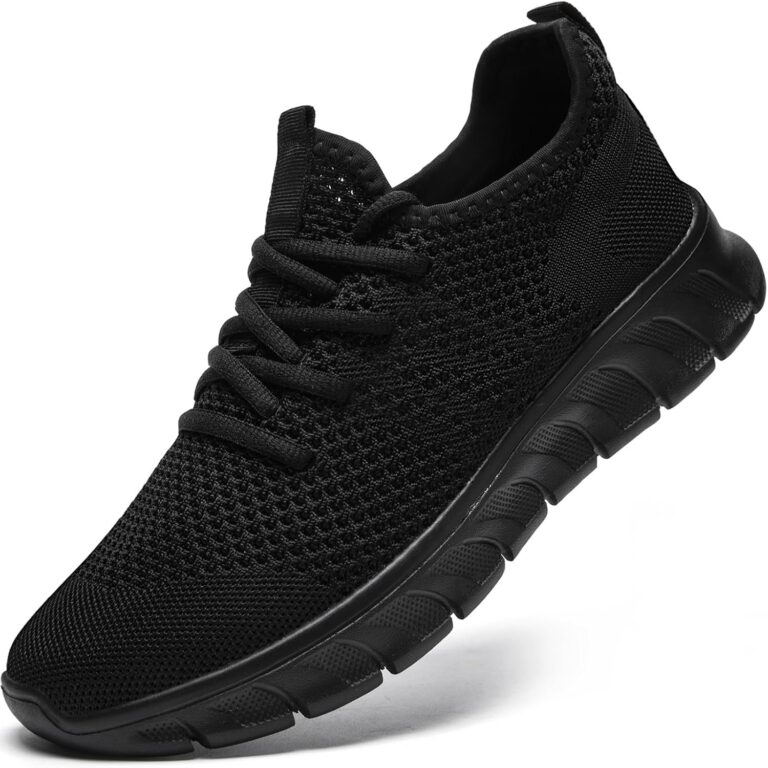
Womens Shoes Running Sneakers Tenni…
From the brand GDEKLO was established in 2018, comfort, convenience and fashion are our business philosophy, we have our own factory and can control the quality from the source, so our shoes are excellent value for money. Our…
- Who it’s best for: Players on a budget looking for a versatile sneaker for off-court training and casual court use.
- Key strengths: Affordable price, comfortable fit, and multipurpose design suitable for walking, gym work, or light tennis sessions.
- Possible drawbacks: Not a dedicated tennis shoe; may lack lateral support required for frequent competitive play.
- Recommended for: Recreational players, beginners, or as a casual practice shoe.
Kid-friendly tennis ball water bottle (fun & practical)
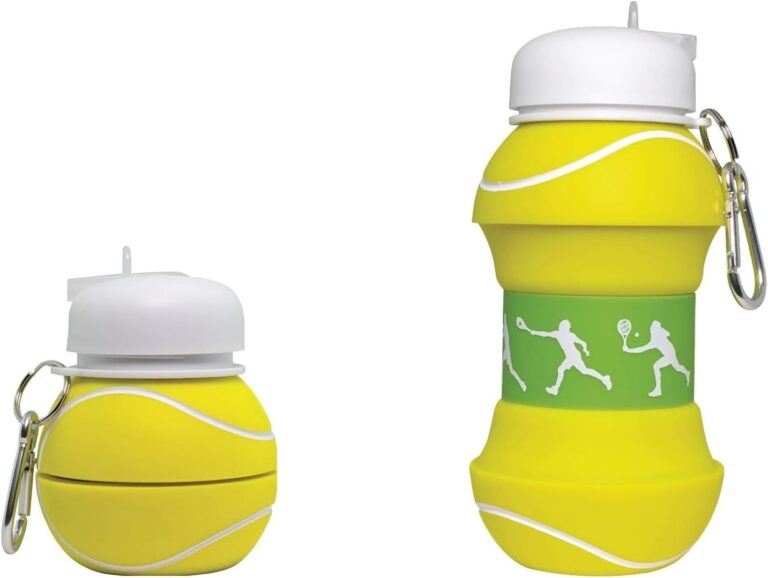
Maccabi Art Clip-On Collapsible BPA…
Product description Food Grade Silicone – Our Tennis Ball-shaped kids water bottle consists of BPA-free silicone that has no harsh chemicalsIncludes a Carrying Clip – The secure clip at the top of the BPA-free water bottle allows you…
- Who it’s best for: Parents buying for junior players or for court-side hydration that appeals to kids.
- Key strengths: BPA-free silicone, easy clip-on, fun tennis ball shape kids enjoy.
- Possible drawbacks: Smaller capacity than adult bottles; designed more for kids’ use.
- Recommended for: Junior tennis programs and parents who want a playful hydration option.
Overgrip — essential for sweat management and control
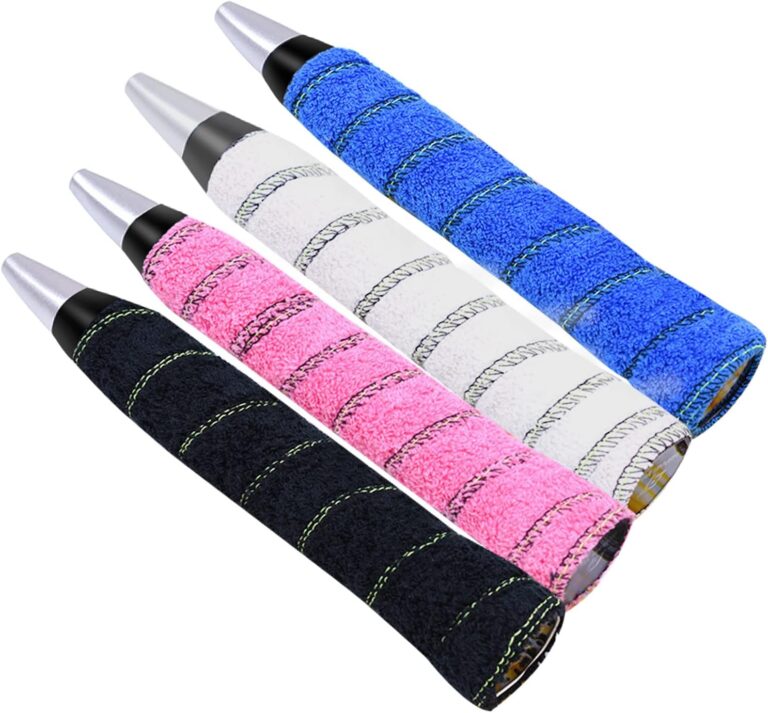
GLL Toweling Racket Overgrip, Super…
Product description 100% Cotton4 PCS, Each piece is Long: 28 inches /70 cm, Width: 1 inch / 25 mm, Thick: 1mm, This overgrip force is not overlapping and winding, itself has adhesive, Very user friendlly.Super powerful water absorption…
- Who it’s best for: Any player looking to maintain a consistent grip during sweaty sessions.
- Key strengths: Absorbent cotton toweling, improves racket feel and reduces slip.
- Possible drawbacks: Requires replacement more frequently than synthetic grips if you sweat heavily.
- Recommended for: Players who perspire a lot and want a soft, absorbent grip surface.
Agility hurdles — improve movement and footwork

Hurdles Outdoor Jumping Training Hu…
Our endurance trainer is suitable for all fitness enthusiasts, coaches and athletes of all ages and abilities to help push boundaries and reach new heights, ideal for youth and adult training.Package Contents:- HurdleSpecification:- Material: Metal + Foam- Width:…
- Who it’s best for: Coaches and serious players focused on speed and plyometric training.
- Key strengths: Durable construction, adjustable heights, great for court-specific drills.
- Possible drawbacks: Requires storage space; higher cost than lower-end training accessories.
- Recommended for: Competitive junior and adult players wanting to boost quickness and vertical power.
Portable wooden slant board — recovery and mobility
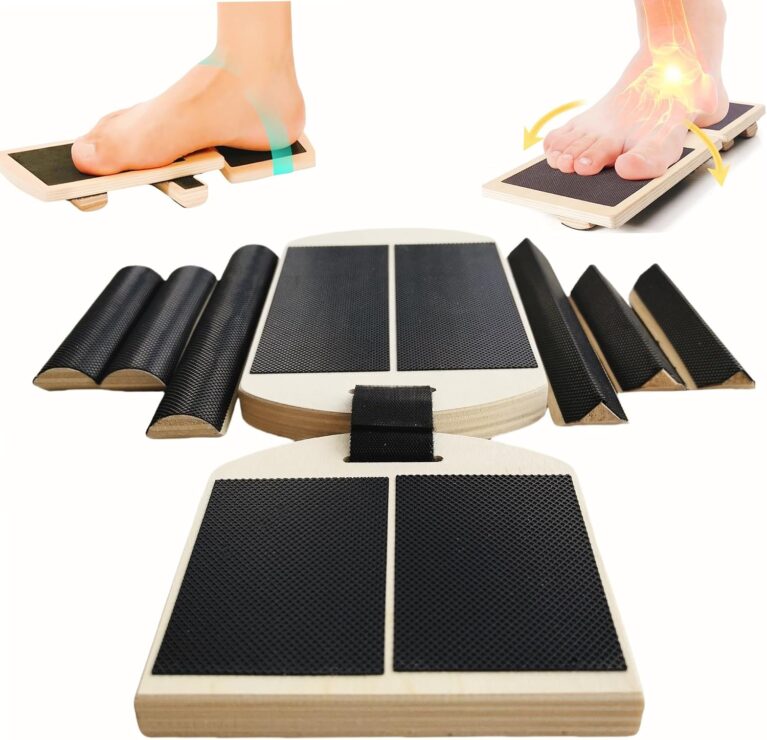
Portable Wooden Slant Board for Cal…
Product description Easy to Carry Portable Slant Board Our calf extension board is ideal for calf stretching and yoga. You can use it with one or both feet at the same time. home, or gym. No setup is…
- Who it’s best for: Players needing a simple tool for calf stretches and ankle mobility or warm-ups.
- Key strengths: Compact, portable, useful for pre- and post-practice stretching.
- Possible drawbacks: Basic tool—works for stretching but not a replacement for full rehab equipment.
- Recommended for: Players who want a cheap, effective stretching device to reduce calf tightness.
Takeya Hydrotex bottle sling — keep water close on court
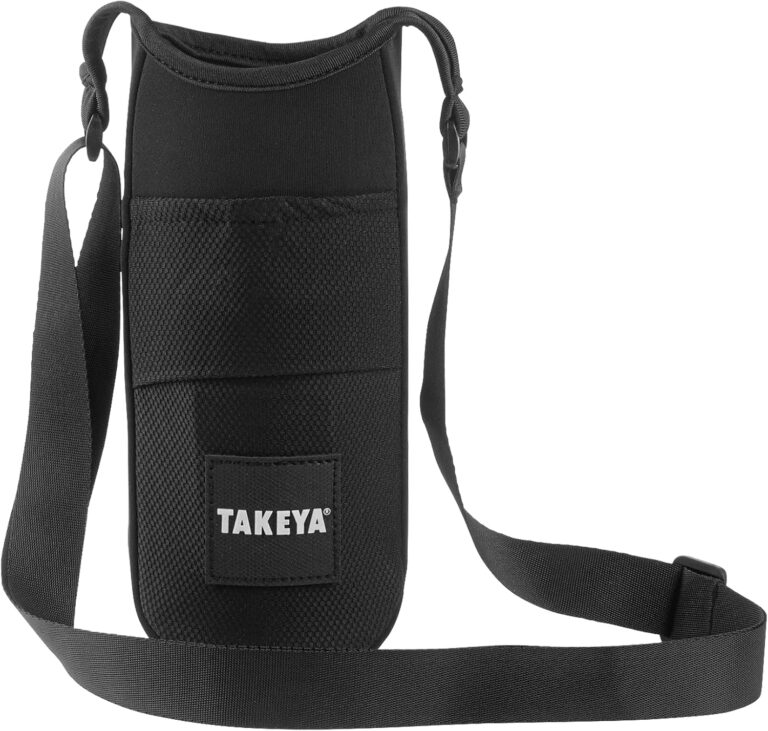
Takeya Hydrotex Easy Grip Bottle Sl…
Introducing the Takeya Hydrotex Easy Grip Bottle Sling, a convenient bottle bag for staying hydrated on the go. Designed to hold a large 32-ounce or 40-ounce water bottle, this durable bottle carrier features two exterior stretch pockets ideal…
- Who it’s best for: Players who bring large water bottles to practice or sessions and need hands-free carry.
- Key strengths: Durable, adjustable strap, pockets for small items, compatible with 32–40 oz bottles.
- Possible drawbacks: Adds bulk if you prefer minimal kit at the court.
- Recommended for: Players who value easy access to hydration and like carrying a substantial bottle.
Final recommendations — choosing the right tennis necklace for you
- If you train daily and want a no-nonsense on-court piece: choose a lightweight silicone or nylon sports necklace with a breakaway clasp.
- If you want a fashion piece you’ll wear off-court more than on-court: a classic tennis chain in sterling silver or gold (CZ or diamonds) is a timeless choice.
- If buying for juniors or teams: prefer silicone options or breakaway magnetic clasps for safety and low cost replacement.
- If you’re unsure: buy a cheaper sports necklace first to confirm how you tolerate wearing a necklace during movement before investing in an expensive jewelry piece.
Frequently Asked Questions (FAQ)
1. Can I wear a tennis necklace during competition?
Generally yes, recreational and most competitive events allow necklaces. However, verify tournament or club rules if you play organized events — some high-level competitions have specific jewelry standards. If you decide to wear a necklace during a match, choose a low-profile style and confirm it won’t interfere with your movement.
2. Are magnetic or titanium necklaces safe for athletes?
Most people can wear these safely, but if you have an implanted medical device like a pacemaker, avoid magnetic accessories. Also, while some brands claim performance benefits, such claims are not universally supported by clinical evidence. Think of them as comfortable accessories rather than a guaranteed performance tool.
3. What length is best for court use?
Shorter lengths (16–18 inches) sit closer to the collar and minimize bounce. If you prefer a pendant, make sure it’s small and rests flat. Adjustable lengths are a good option when buying for others or when you want flexibility between on-court and off-court wear.
4. How do I keep a necklace from bouncing during serves?
Choose lighter pieces, shorter lengths, and consider tucking the chain under a shirt collar. Silicone necklaces and thin cords generally bounce less than heavy chains with pendants.
5. Can jewelry damage racquet strings or clothes?
Sharp or heavy pendants can rub against clothing or occasionally catch on fabrics; similarly, a broken chain could tangle with strings in very rare cases. Keep pendants smooth and avoid rough edges. Regularly inspect your jewelry for loose settings to prevent accidents.
6. How should I clean and maintain a tennis necklace?
For silicone and performance necklaces, wash with mild soap and water and air dry. For precious metals and stones, use a soft cloth daily and consider professional cleanings for diamonds or gold every 6–12 months. Avoid prolonged exposure to chlorine and heavy sweat where possible for plated jewelry.
7. What should I look for when buying a necklace for a junior player?
Prioritize safety: breakaway clasps, soft materials (silicone) and no heavy pendants. Also consider affordability—kids will outgrow styles or possibly lose small items, so inexpensive, safe options make sense.
Further reading and related resources
Looking for more ways to improve your game or choose court-ready accessories? Check out our posts on Best Tennis Outfits for Ladies, and practical accessory advice in Best Tennis Accessories That Make Practice Easier. For gear care tips, see Tennis Gear Maintenance Tips to Make Products Last Longer.
Choosing the right tennis necklace is a blend of function, safety and personal style. Whether you pick a sporty silicone cord for daily training or a refined tennis chain for off-court elegance, use the buying checklist above to match your needs and budget. If you’re also upgrading other items in your kit, consider the complementary products we highlighted — they’re practical additions that pair well with any on-court accessory choices.
